

In modern marketing, audiences rarely respond well to constant interruptions. Instead, they often look for useful information, trusted recommendations, educational content, and solutions that match their needs. Inbound channels in marketing are the routes through which a business attracts potential customers by offering value before asking for a sale.
TLDR: Inbound marketing channels are platforms and methods that help businesses attract customers naturally through helpful content, search visibility, social engagement, email communication, and trust-building resources. Unlike outbound marketing, which pushes messages toward people, inbound channels draw interested audiences in. The most common inbound channels include SEO, blogs, social media, email newsletters, webinars, podcasts, and referral traffic. When used together, these channels support long-term growth by building credibility and guiding prospects through the buyer journey.
Understanding Inbound Channels
Inbound channels are marketing pathways that allow potential customers to discover a company because they are already searching, learning, comparing, or engaging. These channels work by meeting the audience where interest already exists. Rather than relying on cold calls, unsolicited ads, or mass messaging, inbound marketing focuses on relevance, permission, and value.
For example, a person searching for “best accounting software for freelancers” may find a software company’s blog article. If the article explains the issue clearly and links to a helpful guide, that visitor may subscribe to a newsletter, download a checklist, or eventually request a product demo. In this case, the blog and search engine are inbound channels because they helped attract someone who already had a problem to solve.

How Inbound Channels Differ from Outbound Channels
The main difference between inbound and outbound marketing is the direction of attention. Outbound marketing sends messages outward to a broad audience, often through paid ads, cold email, direct mail, or telemarketing. Inbound marketing creates reasons for customers to come toward the brand voluntarily.
This does not mean outbound marketing has no value. Many businesses use both approaches. However, inbound channels are often more sustainable because they build assets over time. A useful article, an optimized landing page, or a high-quality video can continue attracting visitors long after it is published.
Common Types of Inbound Marketing Channels
Inbound channels can take many forms, but several are especially common across industries. Each one supports a different part of the customer journey, from awareness to decision-making.
- Search Engine Optimization: SEO helps web pages appear in search results when people look for answers, products, or services. It includes keyword research, technical optimization, quality content, internal linking, and user experience improvements.
- Content Marketing: Blogs, guides, white papers, case studies, and resource pages educate audiences and position a company as a helpful authority. This channel is central to many inbound strategies.
- Social Media: Platforms such as LinkedIn, Instagram, Facebook, TikTok, and X can help brands share insights, start conversations, and drive traffic back to owned content.
- Email Marketing: Email is an inbound channel when people willingly subscribe to receive updates, tips, offers, or educational content. It is especially effective for nurturing relationships over time.
- Video Marketing: Tutorials, explainers, product demonstrations, and interviews can attract viewers who prefer visual learning.
- Webinars and Online Events: These channels allow companies to educate audiences while also gathering qualified leads.
- Podcasts: Audio content can build trust through regular, in-depth conversations around topics the audience cares about.
- Referral and Review Channels: Customer reviews, testimonials, and recommendations can attract buyers who rely on social proof before making decisions.
Why Inbound Channels Matter
Inbound channels matter because they align with how many people make decisions today. Consumers and business buyers often research extensively before speaking with a sales representative. They compare options, read reviews, watch videos, and seek expert opinions. A business that appears during this research process has a better chance of becoming a trusted choice.
Another major benefit is efficiency. While inbound marketing may require time and effort upfront, its results can compound. A well-ranked article can bring steady traffic. A strong email list can support repeat engagement. A useful webinar can be repurposed into clips, blog posts, and downloadable resources.
Inbound channels also help reduce friction. Instead of forcing a sales conversation too early, they allow prospects to move at their own pace. This often leads to better-qualified leads because people engage after showing genuine interest.
The Role of Content in Inbound Channels
Content is the fuel behind most inbound channels. Search engines need pages to rank. Social media needs posts to share. Email campaigns need useful messages. Webinars need educational themes. Without strong content, inbound channels become empty distribution points.
Effective inbound content usually focuses on the audience’s needs rather than only the company’s products. It answers questions, explains choices, solves problems, and builds confidence. For instance, a home improvement company might publish articles about choosing flooring materials, estimating renovation costs, and avoiding common installation mistakes. These topics attract people who may later need professional services.
Good content also supports different stages of the buyer journey:
- Awareness: The audience realizes a problem or opportunity exists.
- Consideration: The audience compares different solutions or approaches.
- Decision: The audience evaluates providers, pricing, features, and proof.
Owned, Earned, and Shared Inbound Channels
Inbound channels can be grouped into three broad categories: owned, earned, and shared.
- Owned channels are controlled by the business, such as its website, blog, email list, resource center, and landing pages. These are valuable because the company has direct control over messaging and user experience.
- Earned channels include mentions, backlinks, press coverage, reviews, and organic recommendations. These are powerful because they come from outside sources and often carry strong credibility.
- Shared channels include social media communities, comment sections, groups, and collaborative platforms. These channels encourage participation and conversation, though algorithms and platform rules can affect reach.
A strong inbound strategy usually combines all three. Owned channels provide stability, earned channels provide credibility, and shared channels provide reach and engagement.
Measuring Inbound Channel Performance
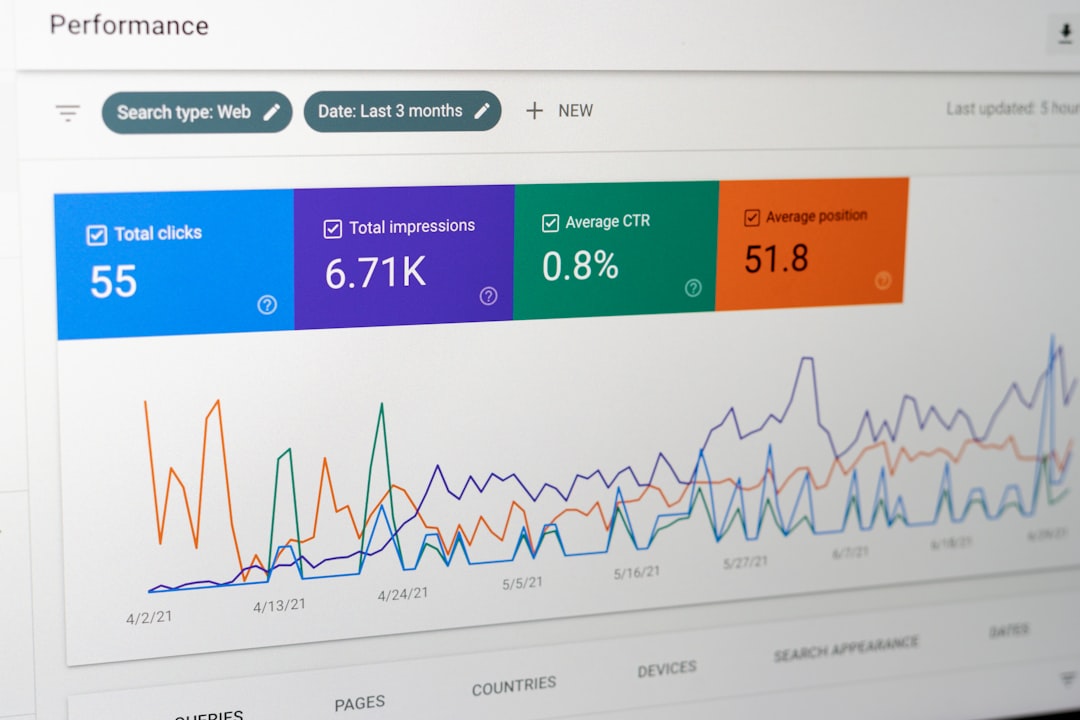
Inbound marketing should be measured with clear goals. The right metrics depend on the channel and business objective, but common indicators include:
- Organic traffic from search engines
- Keyword rankings for important search terms
- Conversion rates on landing pages and forms
- Email open and click rates
- Social engagement, including comments, shares, and saves
- Lead quality and sales readiness
- Customer acquisition cost
- Revenue influenced by inbound campaigns
Measurement is important because not every channel performs equally for every business. A B2B software company may gain strong results from SEO, LinkedIn, and webinars. A lifestyle brand may depend more on social media, video, and email. The best inbound mix is shaped by audience behavior.
Building an Effective Inbound Channel Strategy
An effective strategy begins with audience research. Marketers need to understand what potential customers ask, where they spend time, what influences them, and what objections they have. From there, they can choose channels that match the audience’s habits.
The next step is content planning. A company should create content around real customer questions, search intent, industry trends, and decision-making needs. It should also connect content pieces through clear calls to action, such as newsletter signups, consultation requests, product trials, or downloadable guides.
Consistency is also essential. Inbound channels rarely produce immediate results overnight. Search rankings, audience trust, and email engagement grow through repeated value. Businesses that treat inbound marketing as a long-term system usually see stronger results than those that publish randomly.
FAQ
-
What are inbound channels in marketing?
Inbound channels are marketing methods that attract potential customers naturally through helpful content, search visibility, social engagement, referrals, and permission-based communication.
-
Is SEO an inbound marketing channel?
Yes. SEO is one of the most important inbound channels because it helps people discover a business when they are actively searching for information or solutions.
-
Is email marketing inbound or outbound?
Email marketing is inbound when recipients have willingly subscribed or requested communication. Unsolicited cold email is usually considered outbound.
-
Which inbound channel is best?
There is no single best channel for every business. The strongest channel depends on the audience, industry, budget, content quality, and sales cycle.
-
How long does inbound marketing take to work?
Inbound marketing often takes several months to show significant results, especially with SEO and content marketing. However, its benefits can compound over time.

