

Finding a niche market is one of the most important decisions an entrepreneur, marketer, or small business owner can make. A well-defined niche helps you focus your message, reduce wasted spending, and serve a specific audience better than broad competitors. Instead of trying to sell to everyone, you identify a group of people with clear needs, preferences, and buying intent.
TLDR: A niche market is a focused segment of a larger market with specific needs and characteristics. To find one, start by understanding your strengths, researching customer problems, analyzing demand, studying competitors, and testing your idea before investing heavily. The best niche is not just small; it is specific, profitable, reachable, and underserved.
What Is a Niche Market?
A niche market is a specialized part of a broader market. For example, “fitness” is a broad market, while “strength training programs for women over 50” is a niche. “Pet products” is broad, while “eco-friendly toys for indoor cats” is more focused.
The purpose of choosing a niche is not to limit your business unnecessarily. It is to create clarity. When you know exactly who you serve, you can develop better products, write stronger marketing messages, and build trust faster. Customers are more likely to respond when they feel a business understands their specific problem.

Step 1: Start With Your Skills, Interests, and Experience
A strong niche often begins with what you already know. Make a list of your professional experience, personal interests, technical skills, and problems you have solved. This does not mean your niche must be based on a hobby, but knowledge gives you an advantage.
- Skills: What can you do better than the average person?
- Experience: Which industries, communities, or customer types do you understand?
- Interests: What topics can you study and work on consistently?
- Credibility: Where can you provide advice, products, or services with confidence?
For example, a nutritionist with experience working with busy parents might explore a niche around simple meal planning for families. A software consultant might focus on automation for small accounting firms. The goal is to find an overlap between what you understand and what a specific group of people needs.
Step 2: Identify Real Customer Problems
A niche is only valuable if it is connected to a real problem or desire. People spend money to solve pain points, save time, reduce risk, improve status, gain comfort, or achieve a goal. Your next step is to look for evidence of these needs.
Useful places to research customer problems include:
- Online forums and community discussions
- Customer reviews on ecommerce websites
- Social media comments and groups
- Search engine suggestions and related searches
- Industry reports, surveys, and trend publications
- Questions people ask on Q&A platforms
Pay attention to repeated complaints. Phrases such as “I wish there was,” “I can’t find,” “too expensive,” “too complicated,” or “nothing works for” often reveal opportunities. The more specific the frustration, the easier it becomes to design a targeted solution.
Step 3: Define the Audience Clearly
Once you identify a problem, define who has it. Avoid describing your audience too broadly. “Small business owners” is usually too general. “Independent dental practices with fewer than ten employees that need help managing online reviews” is much clearer.
Consider these audience characteristics:
- Demographics: age, income, location, education, family status
- Professional traits: job role, industry, company size, responsibilities
- Psychographics: values, motivations, fears, attitudes
- Behavior: where they shop, what they read, how they make decisions
- Urgency: how serious the problem is and how soon they need a solution
A niche becomes stronger when you can describe the customer in practical detail. This helps with product development, pricing, content creation, advertising, and sales conversations.
Step 4: Measure Market Demand
Not every interesting idea is commercially viable. Before committing, look for signs that people are already searching for solutions or spending money in the category.
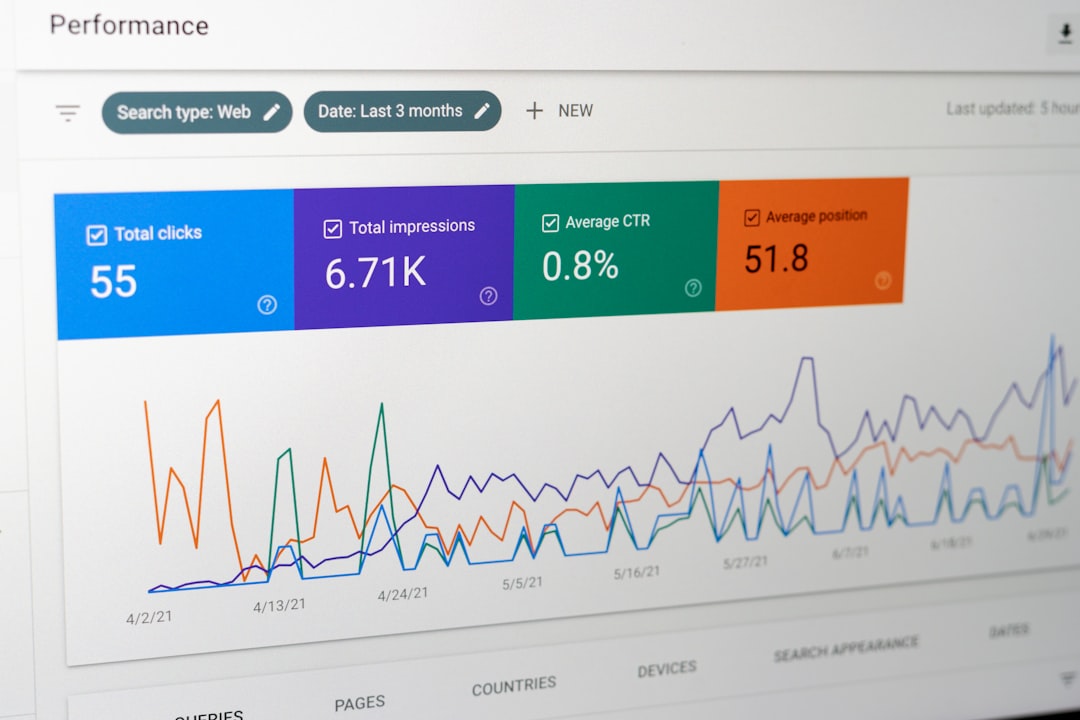
You can assess demand by reviewing keyword search volumes, competitor traffic estimates, marketplace sales rankings, product reviews, course enrollments, social media engagement, and advertising activity. If businesses are consistently advertising to a group, that may indicate buyers exist. If books, tools, services, or communities already serve the audience, that can also be a positive sign.
However, demand should be balanced. A niche with no visible activity may be unproven or too small. A niche with too much activity may be highly competitive. The ideal opportunity often sits between these extremes: enough demand to support a business, but enough gaps to allow differentiation.
Step 5: Analyze the Competition
Competition is not automatically bad. In fact, it often confirms there is money in the market. The key is to understand how competitors position themselves and where they fall short.
Review competitor websites, offers, customer reviews, pricing, guarantees, content, messaging, and service quality. Look for patterns. Are they serving only high-budget customers? Are they ignoring beginners? Are their products difficult to use? Are customers complaining about poor support or lack of personalization?
Create a simple comparison table with competitors on one side and important customer criteria across the top, such as price, quality, convenience, specialization, support, and trust signals. This will help you identify gaps you can fill responsibly.
Step 6: Look for a Clear Differentiator
A niche market alone is not enough. You also need a reason customers should choose you. Your differentiator should be meaningful, not cosmetic. Saying you offer “high quality” or “great service” is rarely sufficient unless you can prove it.
Possible differentiators include:
- A product designed for a very specific audience
- Faster delivery or easier implementation
- More transparent pricing
- Specialized expertise or certification
- A simpler process for beginners
- Premium support or customization
- Ethical sourcing, sustainability, or local focus
Your differentiator should connect directly to what the audience values. If your customers care most about reliability, focus on proof, guarantees, and consistency. If they care about convenience, simplify the buying and onboarding process.
Step 7: Test the Niche Before Fully Committing
Testing reduces risk. Before investing in inventory, hiring staff, or building a complex website, validate whether people will respond to your offer.
Practical validation methods include:
- Interview potential customers and ask about their current solutions, frustrations, and buying criteria.
- Create a landing page that explains the offer and measures sign-ups or inquiries.
- Run a small advertising test to see whether the audience clicks and converts.
- Offer a pilot version of your service to a limited number of customers.
- Pre-sell or collect deposits where appropriate and ethical.
During testing, listen carefully to objections. If people like the idea but will not pay, your offer may lack urgency. If they are interested but confused, your message may need refinement. If they buy quickly, you may have found a strong signal.
Step 8: Evaluate Profitability
A niche must be financially sustainable. Estimate your costs, pricing, margins, customer acquisition expenses, and repeat purchase potential. Some niches have passionate audiences but low willingness to pay. Others may have fewer customers but higher transaction values.
Ask these questions:
- Can customers afford the solution?
- How often will they buy?
- Is the problem urgent enough to justify the price?
- Can you reach the audience without excessive marketing costs?
- Is there room for future products, upgrades, or services?
Profitability is not only about revenue. A niche that requires expensive support, complex logistics, or constant customization may be harder to scale. Be realistic about the operational demands.

Step 9: Refine Your Positioning
After research and testing, summarize your niche in one clear positioning statement. A useful format is: “We help [specific audience] achieve [specific outcome] by providing [specific solution].”
For example: “We help freelance designers manage client feedback by providing simple project approval software.” This statement clarifies the customer, the problem, and the solution. If you cannot explain your niche simply, it may still be too vague.
Common Mistakes to Avoid
- Choosing a niche only because it is trendy: Trends can fade quickly if they are not supported by long-term demand.
- Targeting too broadly: A broad audience makes marketing expensive and messaging weak.
- Ignoring competition completely: Competitors provide valuable insight into demand and customer expectations.
- Skipping validation: Assumptions are not the same as evidence.
- Focusing only on passion: Interest matters, but customers must be willing to pay.
Final Thoughts
Finding a niche market is a disciplined process, not a guess. Start with your strengths, investigate real customer problems, define a specific audience, measure demand, study competitors, and test your offer before making major investments. The best niches are narrow enough to create relevance but large enough to support growth.
When chosen carefully, a niche becomes a strategic advantage. It allows you to speak with authority, build trust, and offer solutions that feel genuinely tailored. In a crowded market, that level of focus can be the difference between being overlooked and becoming the preferred choice.

