
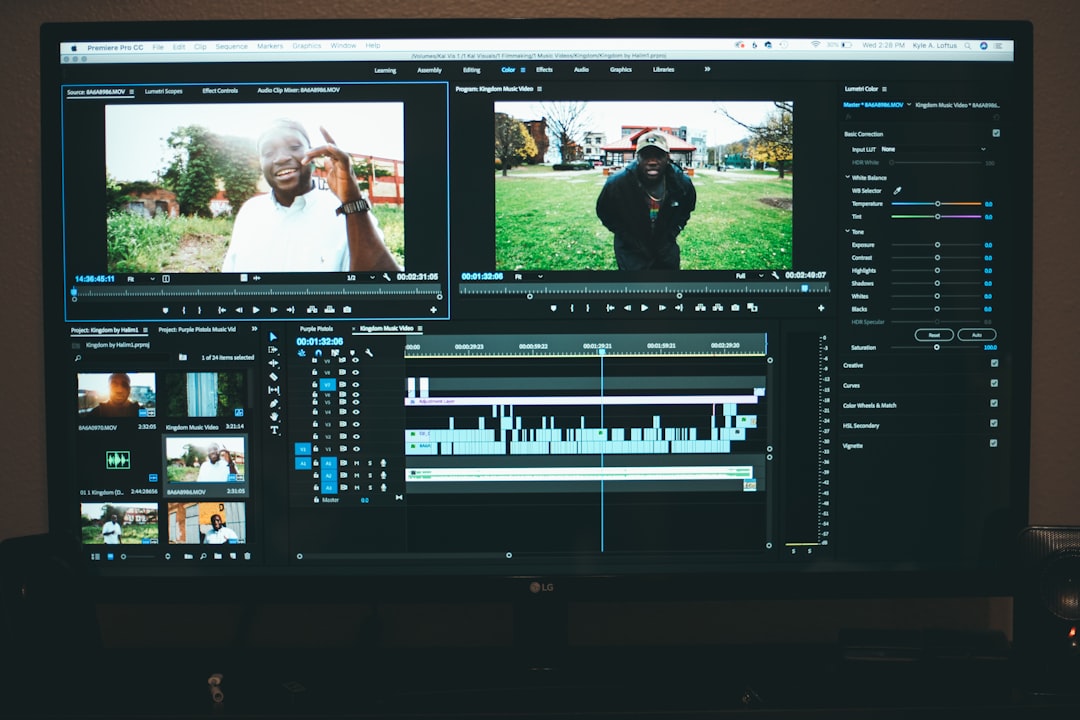
Video content now dominates digital communication, from marketing campaigns and online education to streaming platforms and internal business communications. However, high-quality video files are often large, making storage, sharing, and streaming difficult without proper compression. While FFmpeg remains one of the most powerful and flexible open-source tools for video optimization, it is not the only capable solution available. Professionals seeking performance, scalability, or user-friendly interfaces have several strong alternatives worth considering.
TLDR: If you need powerful video optimization tools similar to FFmpeg, several reliable alternatives stand out. HandBrake offers an intuitive interface with advanced encoding capabilities, Shutter Encoder provides a professional-grade toolkit with a graphical interface built on FFmpeg, and Adobe Media Encoder delivers enterprise-level workflow integration. Each tool balances compression efficiency, usability, and control in different ways. Choosing the right solution depends on your technical expertise, workflow requirements, and volume of media processing.
Below is an in-depth review of three serious, trustworthy video compression tools that rival FFmpeg in their ability to optimize video files efficiently.
1. HandBrake
Best for: Reliable open-source compression with a user-friendly interface.
HandBrake is one of the most widely respected open-source video transcoding tools available today. Originally developed for ripping DVDs, it has evolved into a comprehensive video compression application capable of encoding files into modern, efficient codecs such as H.264 (AVC), H.265 (HEVC), VP9, and AV1.
Why HandBrake Is a Strong Alternative to FFmpeg
While FFmpeg operates primarily through the command line, HandBrake provides a clean graphical user interface (GUI). This makes it accessible for professionals who need advanced control but prefer a visual workflow. Under the hood, HandBrake relies on many of the same encoding libraries as FFmpeg, ensuring professional-grade output.
Key Features:
- Preset profiles for web, devices, and broadcast delivery
- Advanced encoding controls including bitrate, frame rate, and quality tuning
- Hardware acceleration via NVIDIA NVENC, Intel Quick Sync, and AMD VCE
- Batch processing for multiple files
- Subtitle and chapter marker support
HandBrake’s strength lies in its balance between simplicity and depth. Beginners can rely on presets, while advanced users can control quantizers, keyframe intervals, and encoding profiles in detail.
Performance and Compression Efficiency
HandBrake consistently produces high-quality output at reduced file sizes when configured correctly. By using Constant Quality (CQ/RF) encoding, users can maintain visual fidelity while significantly reducing file size. It also supports two-pass encoding for scenarios where predictable bitrate allocation is critical.
Limitations:
- Fewer advanced filtering options than raw FFmpeg scripting
- Limited automation compared to command-line batch processing
- Not built for complex multimedia pipelines
For most content creators and media teams, however, HandBrake offers an optimal balance of power and usability.
2. Shutter Encoder
Best for: Professional workflows requiring flexibility with GUI-based control.
Shutter Encoder is a lesser-known but highly capable video compression and conversion tool trusted by video professionals. It is built on FFmpeg but adds a comprehensive graphical interface and a suite of post-production features.

What Makes Shutter Encoder Stand Out
Unlike many basic transcoding tools, Shutter Encoder is designed with broadcast and production environments in mind. It supports a wide range of codecs and containers, including ProRes, DNxHD, AVC-Intra, and XAVC formats.
Core Capabilities:
- Extensive codec support for professional delivery
- Bitrate control and GOP structure adjustment
- Advanced audio normalization and conversion
- Image sequence handling
- Batch rendering and watch folders
Shutter Encoder is particularly well suited to media professionals who must convert footage across editing platforms or prepare content for broadcast specifications.
Compression Control and Customization
One of Shutter Encoder’s advantages over standard FFmpeg usage is guided parameter adjustment. Users can change compression ratios, select encoding presets, and optimize for delivery targets without memorizing complex command syntax.
Its integration of GPU acceleration further improves rendering speed, especially for high-resolution 4K footage.
Limitations:
- Interface may feel dense for beginners
- Some advanced FFmpeg flags still require manual configuration
- Not designed for lightweight, quick conversions
For studios or agencies handling high volumes of video, Shutter Encoder represents a strong hybrid between usability and deep compression control.
3. Adobe Media Encoder
Best for: Enterprise-level workflows and integration with creative applications.
Adobe Media Encoder (AME) is a professional-grade encoding application designed to integrate seamlessly with the Adobe Creative Cloud ecosystem. While it is not open source like FFmpeg, it provides enterprise stability and highly refined encoding profiles tailored to industry standards.
Professional Workflow Integration
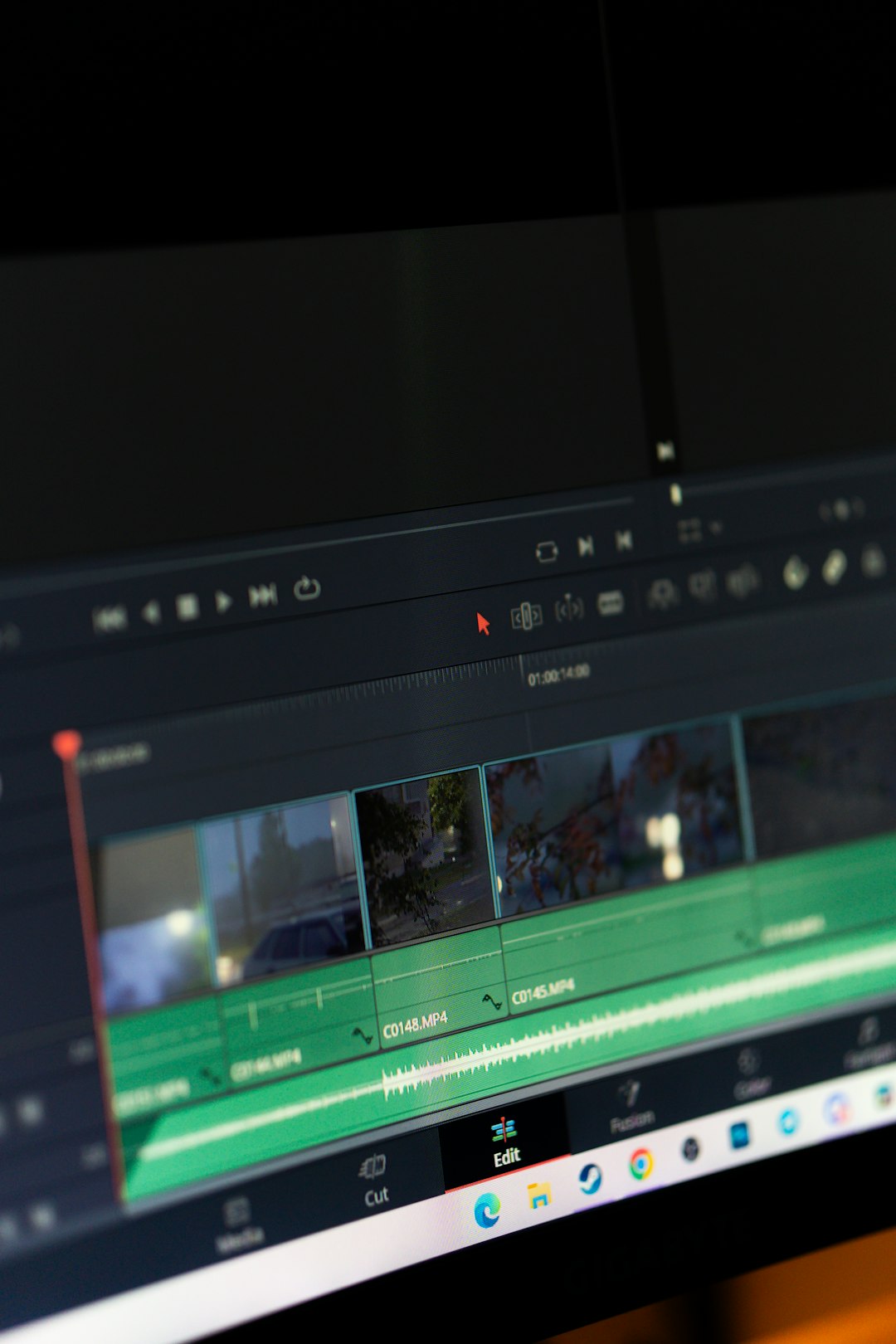
Adobe Media Encoder excels in environments where video is being produced within Premiere Pro, After Effects, or other Adobe tools. Users can queue compositions directly from editing software and manage multiple export presets simultaneously.
Key Advantages:
- Broad preset library for broadcast, web, and social platforms
- Automated batch encoding queues
- Seamless Creative Cloud integration
- Support for modern codecs including HEVC and AV1
- High-quality scaling and color management
In professional post-production settings, workflow efficiency is often as important as compression ratios. AME reduces friction between editing and final export, which can translate into significant time savings.
Compression Quality and Scalability
Adobe Media Encoder supports both hardware and software encoding modes, allowing teams to optimize for speed or maximum quality. Its bitrate encoding options include CBR (Constant Bitrate), VBR (Variable Bitrate), and multi-pass encoding for improved quality retention at low file sizes.
For organizations producing content at scale, AME offers watch folders and automation options, ensuring consistent output specifications across multiple projects.
Limitations:
- Subscription-based pricing model
- Less customizable than raw FFmpeg scripting
- May be excessive for simple compression needs
Nevertheless, for enterprise-level teams and production companies, Adobe Media Encoder provides reliability and professional support infrastructures that open-source tools cannot always match.
How to Choose the Right Tool
Selecting the best FFmpeg alternative depends on several critical factors:
1. Technical Expertise
- If you prefer command-line control, FFmpeg itself may remain ideal.
- If you want advanced features with a GUI, consider Shutter Encoder.
- If you want simplicity with power, HandBrake is a strong option.
2. Workflow Requirements
- Content creators for web platforms will appreciate HandBrake presets.
- Film and broadcast teams may require Shutter Encoder’s extended codec support.
- Creative agencies invested in Adobe software will benefit from Media Encoder integration.
3. Performance and Hardware Acceleration
Modern compression relies heavily on GPU acceleration. All three tools support hardware-based encoding to varying degrees. Carefully review compatibility with your existing graphics hardware before standardizing on a solution.
4. Scalability and Automation
Organizations processing hundreds of files daily should prioritize:
- Batch processing capabilities
- Watch folder automation
- Preset consistency across teams
- Error logging and reliability
Final Thoughts
Video compression is not merely about shrinking file size; it is about optimizing performance while preserving visual integrity. Although FFmpeg remains a benchmark for power and flexibility, it is not always the most practical solution for every user or organization.
HandBrake offers an approachable yet powerful open-source alternative that suits individual creators and small teams. Shutter Encoder provides a professional-grade GUI layered on top of FFmpeg’s encoding engine, ideal for broadcast and post-production environments. Adobe Media Encoder delivers enterprise-level stability and integration for organizations embedded within professional creative ecosystems.
Each of these tools has earned credibility through performance, reliability, and widespread professional adoption. By carefully evaluating your workflow complexity, output requirements, and scalability needs, you can confidently select a compression solution that rivals FFmpeg while simplifying your media optimization process.
In a landscape where efficient video delivery directly affects user engagement, search performance, and storage costs, investing in the right compression tool is not optional—it is strategic.

