
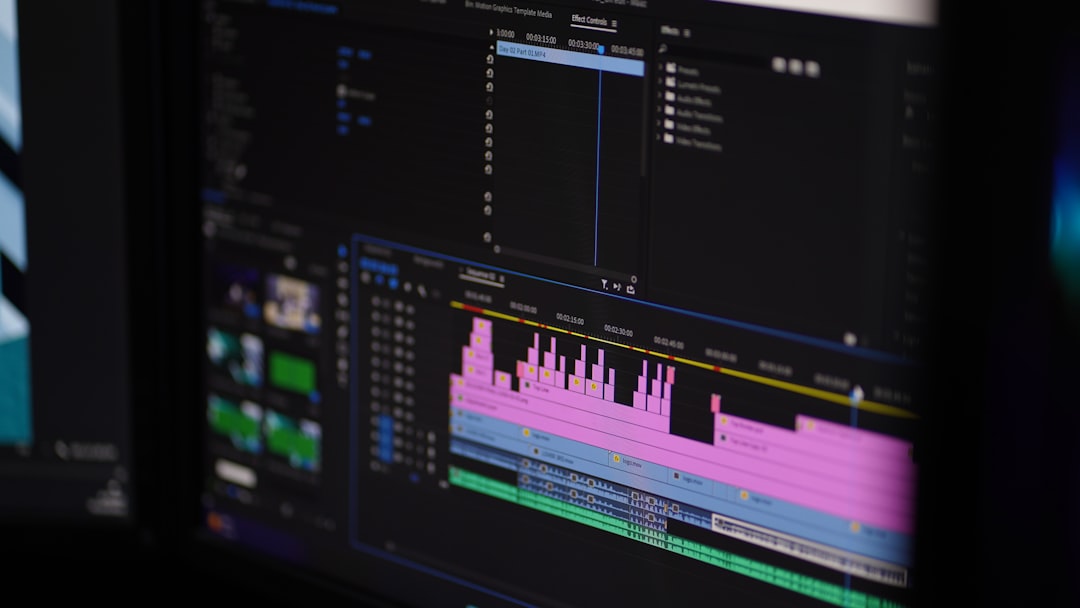
Professional audio production demands more than simple trimming and volume adjustments. Editors, podcasters, sound designers, and music producers rely on robust software that offers multitrack editing, advanced effects, spectral analysis, and seamless workflow integration. While Adobe Audition has long been a staple in professional studios, many creators look for capable alternatives that match—or even exceed—its features in certain areas. Fortunately, several high-end audio editing platforms provide powerful toolsets suitable for broadcast, music production, post-production, and digital content creation.
TLDR: Several professional audio editing platforms offer features comparable to Adobe Audition. Avid Pro Tools excels in industry-standard music and post-production workflows, Steinberg WaveLab specializes in mastering, Reaper delivers powerful customization at an affordable price, and Apple Logic Pro combines editing and music production in one ecosystem. Each platform caters to different professional needs while maintaining high-level audio precision and flexibility.
1. Avid Pro Tools
Avid Pro Tools is widely regarded as the industry standard in professional audio production. Used in major recording studios, film post-production houses, and broadcast environments, Pro Tools provides a comprehensive range of tools for editing, mixing, and mastering.

One of Pro Tools’ strongest advantages is its advanced multitrack recording and editing capabilities. It supports high track counts, non-destructive editing, and highly precise waveform manipulation. This makes it ideal for complex projects involving dialogue, music, and sound effects.
Key features include:
- High-performance multitrack recording
- Advanced automation and mixing tools
- Comprehensive plugin support (AAX format)
- Seamless collaboration options with cloud integration
- Integrated audio post-production tools for film and TV
For post-production professionals, Pro Tools offers powerful dialogue editing tools, elastic audio time correction, and integrated video playback support. These features position it as a strong competitor to Adobe Audition in sound design and broadcast workflows.
However, Pro Tools may require a steeper learning curve for beginners. Its subscription pricing and hardware optimization can also be considerations for independent creators. Still, for large-scale professional projects, it remains one of the most powerful options available.
2. Steinberg WaveLab
Steinberg WaveLab is particularly respected for its mastering and precision editing capabilities. While Adobe Audition offers strong all-around performance, WaveLab distinguishes itself with detailed audio analysis and restoration tools that appeal to mastering engineers.
WaveLab provides both waveform and montage editing environments, enabling editors to refine individual tracks or entire albums. Its suite of audio restoration tools is ideal for cleaning up dialogue recordings, vinyl transfers, or archival material.
Notable features include:
- Advanced spectral editing and analysis tools
- Precision waveform editing
- Loudness measurement compliant with broadcast standards
- Batch processing for large-scale audio projects
- CD and digital distribution preparation tools
WaveLab’s metering tools provide broadcast-accurate loudness calculation, making it highly useful in podcast production and radio environments. Its restoration plugins can remove noise, clicks, hum, and distortion with remarkable clarity.
Unlike fully DAW-centered environments such as Pro Tools, WaveLab focuses on the final polish and mastering stage. Professionals who prioritize audio finishing and compliance standards often find it superior for that phase of production.
3. Reaper
Reaper has grown in popularity among professionals due to its flexibility, customization options, and affordability. Despite its relatively low cost, Reaper offers a feature set comparable to much higher-priced competitors.
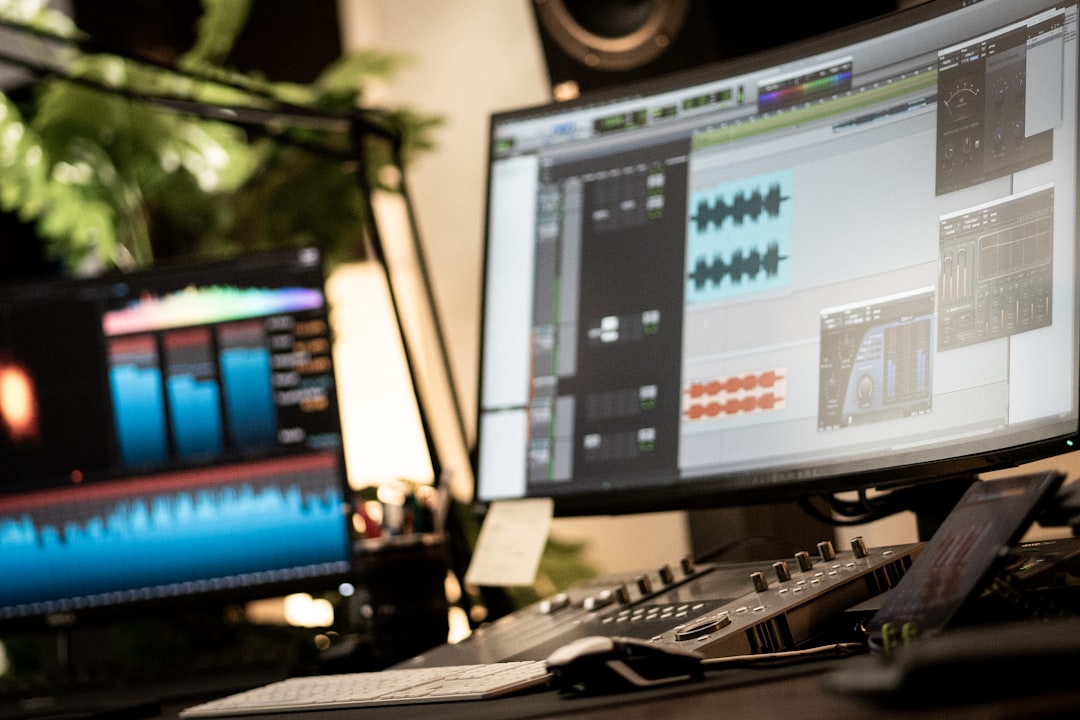
Reaper supports unlimited tracks, extensive routing options, and a wide range of audio formats. Its lightweight installation and efficient CPU usage make it attractive for both powerful studio systems and modest setups.
Core strengths include:
- Highly customizable user interface
- Extensive plugin compatibility (VST, AU, JSFX)
- Advanced scripting and automation capabilities
- Non-destructive editing
- Active user community with frequent updates
One of Reaper’s standout features is its adaptability. Users can modify toolbars, menus, shortcuts, and workflows to match specific project needs. This level of personalization can significantly improve efficiency in professional environments.
Additionally, Reaper is frequently updated, with improvements driven by community feedback. For professionals seeking Adobe Audition-level editing power without committing to a subscription, Reaper represents a highly competitive solution.
4. Apple Logic Pro
Apple Logic Pro combines professional audio editing and music production in a single ecosystem. While often known for music composition, Logic Pro offers comprehensive editing tools that rival Adobe Audition’s capabilities.
Designed exclusively for macOS, Logic Pro integrates tightly with the Apple ecosystem. Its intuitive interface, broad instrument library, and powerful mixing tools make it a top choice for music producers and content creators.
Image not found in postmetaMajor features include:
- Advanced multitrack editing
- Flex Time and Flex Pitch correction
- Extensive built-in instruments and effects
- Dolby Atmos mixing capabilities
- Professional-grade mixing console
Logic Pro’s editing precision allows users to perform detailed waveform adjustments, comp multiple takes efficiently, and apply sophisticated automation. Its integrated plugin library eliminates the need for many third-party purchases, making it cost-effective for professionals working on macOS systems.
Though primarily music-focused, Logic Pro can handle podcast production, sound design, and post-production projects with ease. However, Windows users will not have access to this platform, which limits its cross-platform appeal.
How to Choose the Right Platform
Each of these Adobe Audition alternatives serves a slightly different professional niche. Choosing the right one depends on workflow requirements, budget, operating system, and project focus.
Consider the following factors:
- Primary Use: Music production, podcast editing, or film post-production?
- Operating System: Logic Pro is macOS-exclusive.
- Budget: Reaper offers a cost-effective license model.
- Collaboration Needs: Pro Tools excels in studio-standard collaboration.
- Mastering Focus: WaveLab specializes in precision finishing tools.
Professionals working in large studios may gravitate toward Pro Tools for standardization, while independent creators might prefer Reaper’s flexibility. Mastering engineers often choose WaveLab for its metering and finishing power, whereas Apple-based producers find Logic Pro seamlessly integrated into their workflow.
Conclusion
Adobe Audition remains a strong and capable platform, but it is far from the only solution for professional audio editing. Avid Pro Tools brings industry-standard muscle to complex productions. Steinberg WaveLab offers unmatched precision in mastering and restoration. Reaper combines flexibility and affordability without sacrificing power. Apple Logic Pro provides a comprehensive music and editing environment within macOS.
Ultimately, the best choice depends on the professional’s objectives and workflow preferences. Each of these platforms provides the advanced editing, mixing, and processing capabilities required for high-level audio production.
FAQ
1. Which platform is most similar to Adobe Audition?
Avid Pro Tools is often considered the closest equivalent in terms of professional editing and post-production capabilities, especially in studio and broadcast environments.
2. Is Reaper suitable for professional studio work?
Yes. Despite its affordability, Reaper is widely used in professional studios due to its customization, efficiency, and robust feature set.
3. What is the best option for mastering audio?
Steinberg WaveLab is particularly strong in audio mastering, thanks to its advanced metering, batch processing, and restoration tools.
4. Can Logic Pro replace Adobe Audition for podcast editing?
Logic Pro can easily handle podcast production and editing, especially for macOS users. It provides multitrack recording, processing tools, and mixing capabilities.
5. Which platform is best for beginners entering professional audio editing?
Reaper is often recommended for beginners due to its lower cost and flexible workflow, though all listed platforms require time and practice to master.
6. Do these platforms support third-party plugins?
Yes. Most major audio formats such as VST and AU are supported, although plugin formats vary by platform. Users should confirm compatibility with their existing tools.

