
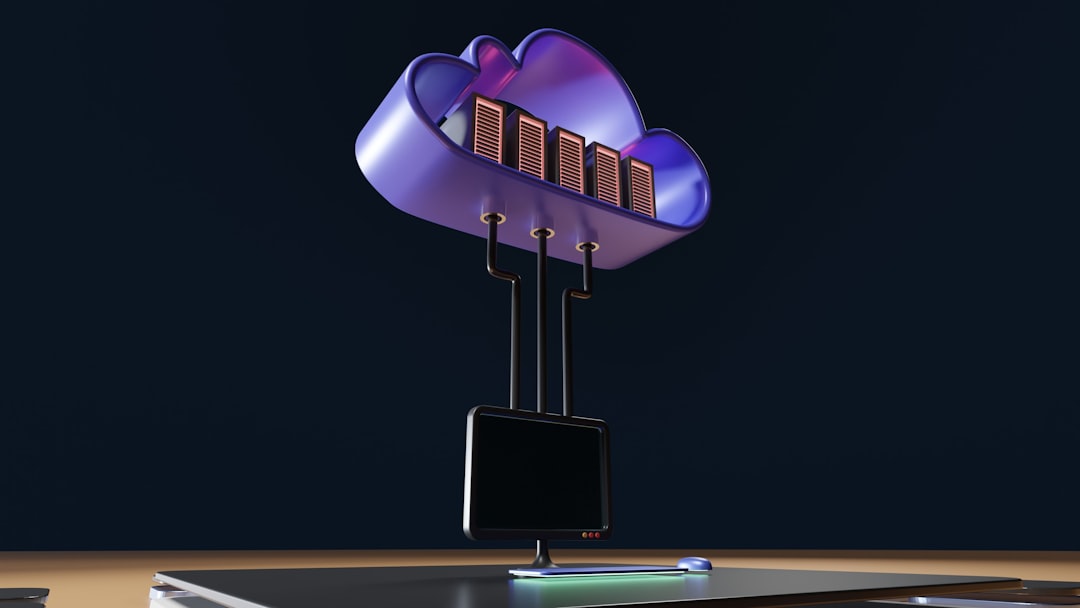
The rapid rise of generative AI chatbots has dominated headlines, boardroom discussions, and IT budgets over the past few years. Yet, beneath the noise of conversational interfaces lies a more transformative shift—one that is quietly reshaping how organizations operate in the cloud. While chatbots represent a compelling front-end innovation, the real revolution is happening deeper in the stack through autonomous workspaces and next-generation AI productivity tools that integrate directly into cloud infrastructure.
TLDR: Chatbots may capture attention, but autonomous workspaces and advanced AI productivity systems are redefining cloud IT. These solutions go beyond conversation, embedding intelligence directly into workflows, infrastructure, and collaboration platforms. By automating decisions, optimizing operations, and orchestrating tasks across environments, they unlock measurable efficiency gains. The future of cloud IT lies not in asking AI for answers, but in enabling AI to proactively get work done.
In an era where efficiency, scalability, and security are paramount, enterprises are discovering that conversational AI alone does not deliver sustainable competitive advantage. Instead, systems that autonomously execute tasks, analyze data in real time, and coordinate across digital environments are emerging as the true drivers of transformation.
The Limits of the Chatbot Model
Chatbots serve an important purpose. They enhance customer service, streamline internal communication, and provide immediate access to information. However, they largely function as reactive tools. A user inputs a query; the system responds. The value hinges on interaction.
For cloud IT teams managing complex ecosystems—hybrid infrastructures, containerized applications, distributed networks, and evolving compliance requirements—this reactive model falls short. Modern enterprises require:
- Continuous monitoring and optimization
- Automated remediation of issues
- Predictive resource allocation
- Integrated workflow orchestration
Chatbots may assist with documentation or scripting advice, but they do not inherently manage systems. They inform; they do not execute. The true next phase of AI maturity demands action-oriented intelligence embedded within the cloud environment itself.
What Are Autonomous Workspaces?
Autonomous workspaces represent a shift from isolated AI assistants to interconnected, self-optimizing environments. In these systems, AI agents collaborate with software tools, cloud platforms, and enterprise applications to complete end-to-end processes with minimal human intervention.
Unlike traditional workflows that require manual oversight at every step, autonomous workspaces operate according to defined objectives and policies. For example:
- An AI agent detects abnormal cloud usage patterns and reallocates compute resources automatically.
- A security model identifies anomalous behavior and deploys mitigation protocols instantly.
- A project management engine redistributes tasks based on workload predictions and skill matrices.
These systems operate continuously in the background, transforming cloud IT from a manually supervised ecosystem into a semi-autonomous operational environment.
The Rise of AI-Orchestrated Productivity
Next-generation AI productivity tools integrate deeply into cloud-native platforms such as DevOps environments, CRM systems, data warehouses, and collaboration suites. Rather than functioning as standalone applications, they act as orchestration layers that coordinate tasks across multiple systems.
This orchestration provides three key advantages:
1. Contextual Intelligence
AI tools analyze structured and unstructured data across departments, offering insights grounded in operational context rather than isolated prompts.
2. Decision Automation
Instead of generating reports that require human review, advanced systems execute predefined decisions—approving workflows, provisioning resources, or adjusting schedules.
3. Continuous Optimization
Machine learning models adapt based on usage patterns, performance metrics, and evolving business rules, ensuring improvement without constant retraining by IT teams.
The result is a cloud environment that not only supports productivity but actively enhances it.
From Copilots to Autonomous Agents
Many organizations initially embraced AI in the form of “copilots”—assistive tools embedded in email clients, coding platforms, or enterprise software. Copilots provide suggestions and automate small tasks, but they remain dependent on human initiation.
The next evolution is autonomous agents. These systems:
- Receive high-level goals rather than granular instructions
- Break complex objectives into executable tasks
- Interact with APIs, databases, and cloud infrastructure directly
- Monitor results and adjust in real time
For example, instead of asking a chatbot how to reduce infrastructure costs, a cloud operations team might instruct an AI agent to “optimize monthly cloud expenditure by 15%.” The system would analyze cost centers, adjust scaling policies, renegotiate instance types, and provide transparent reporting—all autonomously.
Security and Compliance in the Autonomous Era
One of the most compelling benefits of autonomous workspaces lies in security management. Cloud environments are dynamic; new containers, services, and user endpoints emerge constantly. Manual oversight cannot scale effectively.
AI-driven security systems now provide:
- Real-time anomaly detection
- Automated threat containment
- Continuous compliance monitoring
- Policy enforcement across distributed environments

Rather than waiting for alerts, autonomous systems proactively isolate suspicious processes, update firewall rules, and generate audit-ready documentation. This proactive stance reduces risk exposure while lowering administrative overhead.
Impact on IT Teams and Enterprise Culture
The transition from chatbot-centric strategies to autonomous environments reshapes the role of IT professionals. Instead of spending time on repetitive configuration tasks and reactive troubleshooting, teams can focus on:
- Strategic architecture planning
- Innovation initiatives
- Governance and oversight
- Cross-department digital transformation
Crucially, this evolution does not eliminate human involvement. It elevates it. AI handles routine execution, while professionals provide judgment, creativity, and long-term planning.
Enterprises adopting autonomous workspaces also report cultural benefits. Teams experience reduced cognitive load, faster decision cycles, and improved collaboration. When AI acts as an execution layer rather than a mere advisory system, organizational momentum increases.
The Economic Case for Autonomous Cloud IT
From a financial standpoint, the argument for next-gen AI productivity systems is compelling. Consider the cumulative cost of inefficiencies:
- Underutilized cloud resources
- Delayed incident response
- Manual compliance reporting
- Fragmented data silos
Autonomous systems address these pain points simultaneously. By dynamically managing workloads and automating maintenance, enterprises often see measurable reductions in cloud expenditures. Additionally, faster remediation of outages minimizes revenue loss and reputational risk.
Where chatbots may improve individual output marginally, autonomous ecosystems transform the economics of entire infrastructure models.
Challenges and Considerations
Despite the promise, implementation requires careful planning. Organizations must establish:
- Clear governance frameworks
- Transparent audit trails for AI decisions
- Robust data pipelines
- Security-first architecture
Trust is essential. Autonomous systems must operate within defined boundaries, with escalation protocols for ambiguous or high-risk scenarios. The most successful deployments balance independence with oversight.
Looking Ahead: The Self-Driving Cloud
The trajectory of cloud IT points toward environments that resemble self-driving vehicles—systems that navigate complexity with minimal human correction. In this vision, infrastructure provisions itself, optimizes performance continuously, fortifies against threats, and aligns with strategic goals automatically.
Chatbots marked an important milestone in human-AI interaction. However, the true future lies in systems where interaction becomes optional because execution is embedded and continuous.
The organizations that will lead the next decade are not those with the most advanced conversational AI, but those with the most intelligently autonomous cloud ecosystems.
FAQ: Autonomous Workspaces and Next-Gen AI in Cloud IT
1. How are autonomous workspaces different from traditional AI chatbots?
Chatbots primarily provide information through conversation. Autonomous workspaces integrate AI into workflows and systems, enabling them to execute tasks, make decisions, and optimize processes without constant user prompts.
2. Are autonomous cloud systems safe to deploy?
Yes, when implemented with proper governance, monitoring, and defined policies. Organizations should ensure transparency, audit capability, and human override mechanisms to maintain control and accountability.
3. What industries benefit most from next-gen AI productivity tools?
Industries with complex cloud infrastructures—such as finance, healthcare, technology, and e-commerce—gain significant value. However, any organization relying on scalable digital operations can benefit.
4. Do autonomous systems replace IT professionals?
No. They reduce repetitive workloads and enhance efficiency, allowing IT teams to focus on strategic initiatives, innovation, and governance rather than manual maintenance tasks.
5. What is the first step toward building an autonomous cloud environment?
Organizations should begin by identifying repetitive, high-impact workflows suitable for automation. Establishing clean data infrastructure and defined operational policies creates the foundation for successful AI orchestration.
6. Will chatbots disappear entirely?
Unlikely. Chatbots will remain valuable as user interfaces. However, their role will shift from being the centerpiece of AI strategy to serving as access points within larger autonomous systems.
As enterprises move beyond the chatbot hype cycle, the path forward becomes clear: embed intelligence where work actually happens. In doing so, cloud IT transforms from a reactive support structure into an autonomous engine of growth.

