
Modern music production has been transformed by powerful digital tools that allow artists to compose, arrange, mix, and master tracks from virtually anywhere. Among these tools, Ableton Live stands out as one of the most influential and versatile digital audio workstations (DAWs) available today. Whether you’re an aspiring bedroom producer or a seasoned professional, software like Ableton Live offers a flexible environment that supports creativity at every stage of the music-making process.
TLDR: Music production tools like Ableton Live provide an all-in-one environment for recording, arranging, editing, and performing music. With features such as MIDI sequencing, virtual instruments, real-time performance capabilities, and advanced audio effects, these tools empower artists across genres. Their intuitive workflows and extensive plugin support make them ideal for both beginners and professionals. Ultimately, DAWs have become the backbone of modern music creation.
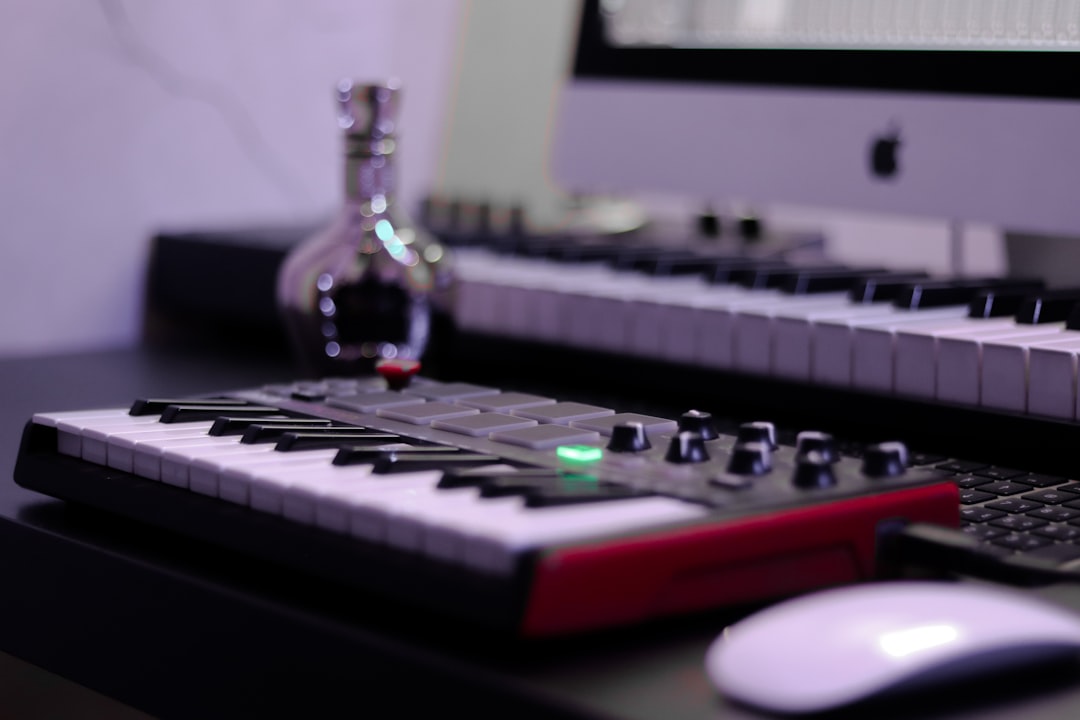
In today’s digital era, producing a high-quality track no longer requires a massive studio filled with expensive hardware. Instead, a laptop, audio interface, MIDI controller, and a DAW can form a complete production setup. Let’s explore why Ableton Live and similar tools have become essential in modern music production.
What Is a Digital Audio Workstation (DAW)?
A Digital Audio Workstation is software designed for recording, editing, mixing, and producing audio files. Popular DAWs include:
- Ableton Live
- Logic Pro
- FL Studio
- Pro Tools
- Studio One
Each DAW has its own strengths, but Ableton Live is particularly renowned for its non-linear workflow and live performance capabilities. Unlike traditional DAWs that focus heavily on linear recording from start to finish, Ableton offers both a Session View for experimentation and a Arrangement View for structured track building.
The Unique Workflow of Ableton Live
One of the defining characteristics of Ableton Live is its dual-view system:
1. Session View
The Session View allows producers to trigger audio and MIDI clips in real time. This makes it ideal for:
- Brainstorming musical ideas
- Testing loops and arrangements
- Live performances and DJ-style sets
- Improvisation
This grid-based system encourages experimentation. You can quickly swap drum patterns, melodies, or basslines without stopping playback, fostering a dynamic creative flow.
2. Arrangement View
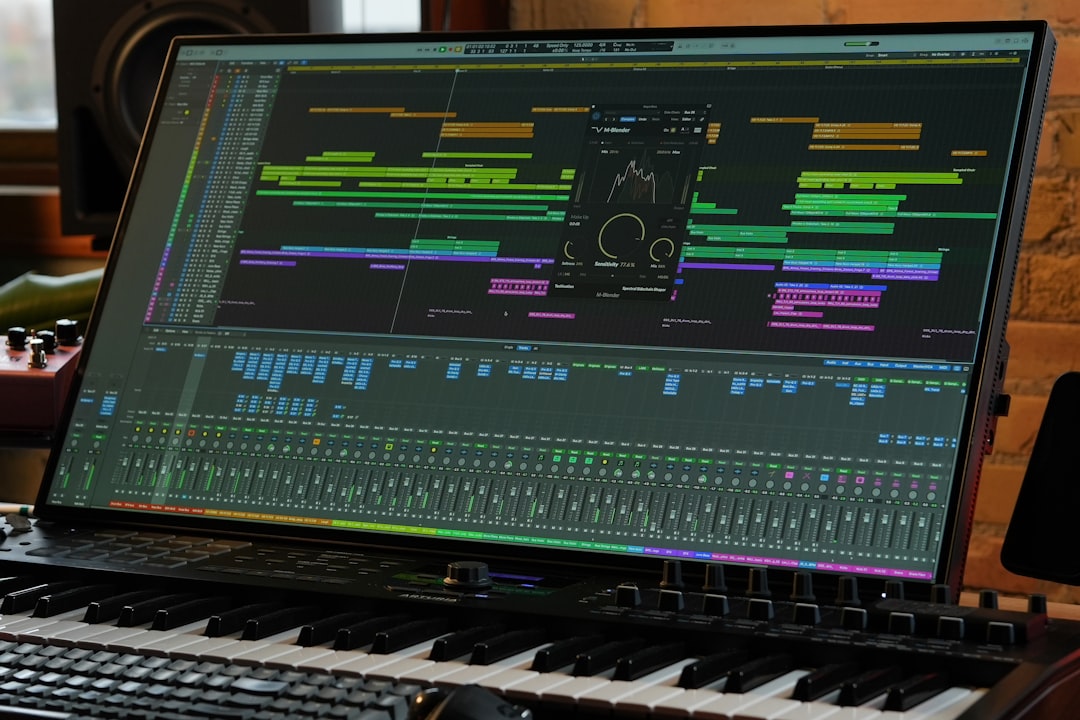
The Arrangement View resembles a traditional timeline-based DAW. Here, producers can:
- Structure full songs
- Edit automation
- Layer tracks
- Fine-tune transitions
This flexibility allows creators to move seamlessly from experimentation to structured production.
Core Features That Power Music Production
Music production tools like Ableton Live offer a comprehensive set of features designed to streamline the creative process.
MIDI Sequencing
MIDI (Musical Instrument Digital Interface) enables producers to control virtual instruments and hardware synthesizers. With MIDI sequencing, you can:
- Program drum patterns
- Compose melodies and harmonies
- Automate parameters like filter cutoff and pitch
- Edit notes with precision
The piano roll editor provides detailed control over velocity, timing, and expression, allowing for highly nuanced compositions.
Virtual Instruments and Sounds
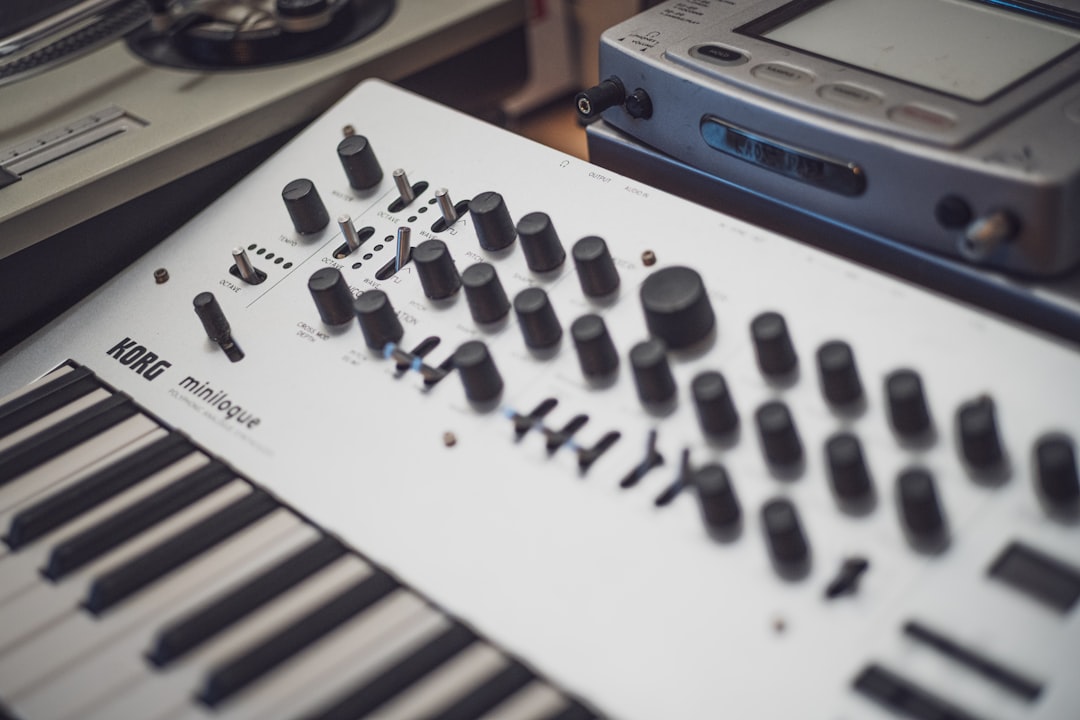
Ableton Live includes built-in instruments such as:
- Operator (FM synthesizer)
- Analog (virtual analog synth)
- Wavetable (advanced synthesis)
- Drum Rack (sample-based drum programming)
These tools allow musicians to create everything from lush ambient textures to aggressive electronic basslines without additional hardware.
Audio Recording and Editing
Beyond electronic production, DAWs also accommodate live recording. You can record:
- Vocals
- Guitars
- Keyboards
- External instruments
Advanced warping technology in Ableton Live enables users to manipulate tempo and timing without affecting pitch. This is especially useful for remixing and aligning recorded performances to a project’s tempo.
Effects and Processing
No track is complete without processing. DAWs provide a range of audio effects, including:
- Equalization (EQ)
- Compression
- Reverb
- Delay
- Saturation
- Modulation effects
Ableton’s Audio Effect Racks and Instrument Racks allow producers to chain multiple effects together and assign macro controls, enabling complex sound design with simple controls.
Why Producers Choose Ableton Live
While many DAWs are powerful, Ableton Live has cultivated a particularly strong following. Here’s why:
1. Creative Freedom
The open-ended workflow reduces creative barriers. Many producers find they can generate ideas more quickly compared to more rigid systems.
2. Live Performance Integration
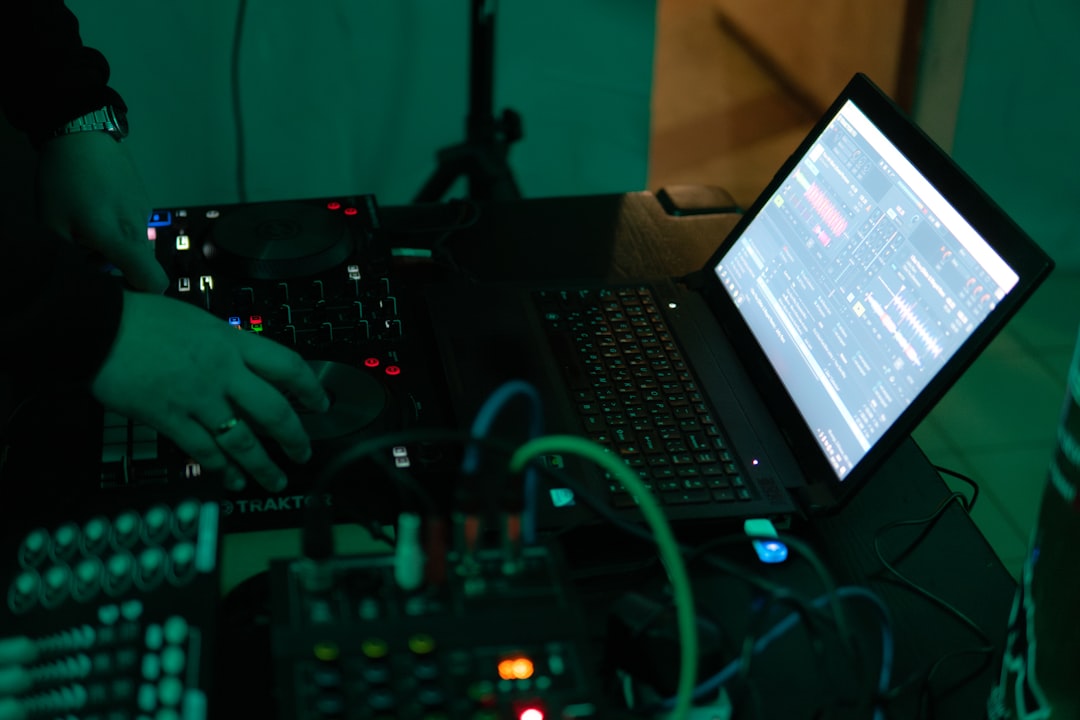
Ableton Live was built with performance in mind. Artists can trigger clips, apply effects, and rearrange tracks in real time during concerts or DJ sets.
3. Max for Live
Max for Live extends the software’s functionality by allowing users to create custom instruments, effects, and utilities. This opens limitless possibilities for experimentation and personalization.
4. Cross-Genre Versatility
From techno and hip-hop to film scoring and indie rock, Ableton Live adapts to virtually any genre.
The Role of Plugins and Third-Party Tools
While stock tools are powerful, third-party plugins expand creative potential even further. These include:
- Virtual instruments (synthesizers, orchestral libraries)
- Mixing tools (advanced compressors and EQs)
- Mastering suites
- Creative effects (granular processors, spectral tools)
The compatibility of Ableton Live with VST and AU plugins ensures that producers can customize their setups according to their sonic preferences.
From Composition to Mastering
Producing a track involves multiple stages, all of which can be handled within a single DAW:
- Composition: Writing chords, melodies, and rhythmic patterns.
- Arrangement: Structuring verses, choruses, and transitions.
- Recording: Capturing vocals and live instruments.
- Editing: Timing corrections, pitch adjustments, and cleanup.
- Mixing: Balancing levels and applying effects.
- Mastering: Final polish and loudness optimization.
Having all these processes in one environment streamlines production and keeps the creative momentum intact.
Accessibility for Beginners
Despite its professional-grade capabilities, Ableton Live remains accessible to beginners. Features that help newcomers include:
- Intuitive drag-and-drop functionality
- Built-in tutorials and lessons
- Pre-made sound packs and templates
- Visual feedback for effects and automation
Many new producers start by experimenting with loops and samples before progressing to original compositions. The learning curve is manageable, especially with the abundance of online tutorials and communities.
The Future of Music Production Tools
As technology advances, music production tools continue to evolve. Recent developments include:
- AI-assisted composition tools
- Cloud collaboration features
- Improved real-time performance stability
- Enhanced spatial and immersive audio support
The integration of artificial intelligence is particularly promising. AI-driven features can suggest chord progressions, generate drum patterns, and even assist with mixing decisions. While these tools don’t replace human creativity, they can accelerate workflows and spark new ideas.
Final Thoughts
Music production tools like Ableton Live have fundamentally reshaped how music is created, shared, and performed. By combining recording capabilities, powerful synthesis engines, real-time performance tools, and extensive customization options, they provide a comprehensive creative platform.
Whether you’re crafting electronic beats, recording a live band, composing cinematic scores, or performing on stage, Ableton Live offers the flexibility and power to bring your ideas to life. As technology continues to evolve, these tools will only become more intuitive, intelligent, and inspiring—ensuring that music production remains accessible to anyone with a vision and a drive to create.

