

In today’s digital commerce landscape, price transparency has become the norm. Customers can compare offers across dozens of stores in seconds, and even minor price differences can sway purchasing decisions. As a result, businesses can no longer rely on intuition or manual checks to remain competitive. Price monitoring tools like Prisync have emerged as essential solutions for tracking competitor prices, automating data collection, and enabling smarter pricing strategies based on real-time market intelligence.
TLDR: Price monitoring tools such as Prisync help businesses automatically track competitor prices and adjust their own pricing strategies with precision. By collecting and analyzing real-time market data, these tools reduce manual work and improve decision-making. They support dynamic pricing, increase competitiveness, and protect profit margins. For modern e-commerce businesses, automated price tracking is no longer optional—it’s a strategic necessity.
With the rise of online marketplaces and price comparison engines, consumers have gained unprecedented access to pricing data. Retailers, in turn, must adapt to this heightened transparency. Attempting to manually check competitor websites is inefficient, error-prone, and impossible to scale. This is where automated platforms such as Prisync play a critical role.
The Growing Importance of Price Intelligence
Price intelligence refers to the systematic process of collecting, analyzing, and acting upon competitor pricing data. It goes beyond simple observation and supports data-driven decision-making. Companies that actively monitor pricing trends can:
- Maintain competitiveness without sacrificing profitability
- Identify pricing opportunities in real time
- Respond quickly to market fluctuations
- Detect unauthorized reseller discounting
- Align promotional campaigns with market conditions
In highly competitive sectors such as electronics, fashion, consumer goods, and travel, pricing is often the key differentiator. A difference of just a few percentage points can determine whether a customer clicks “Buy Now” or moves on to a competitor.
How Price Monitoring Tools Like Prisync Work
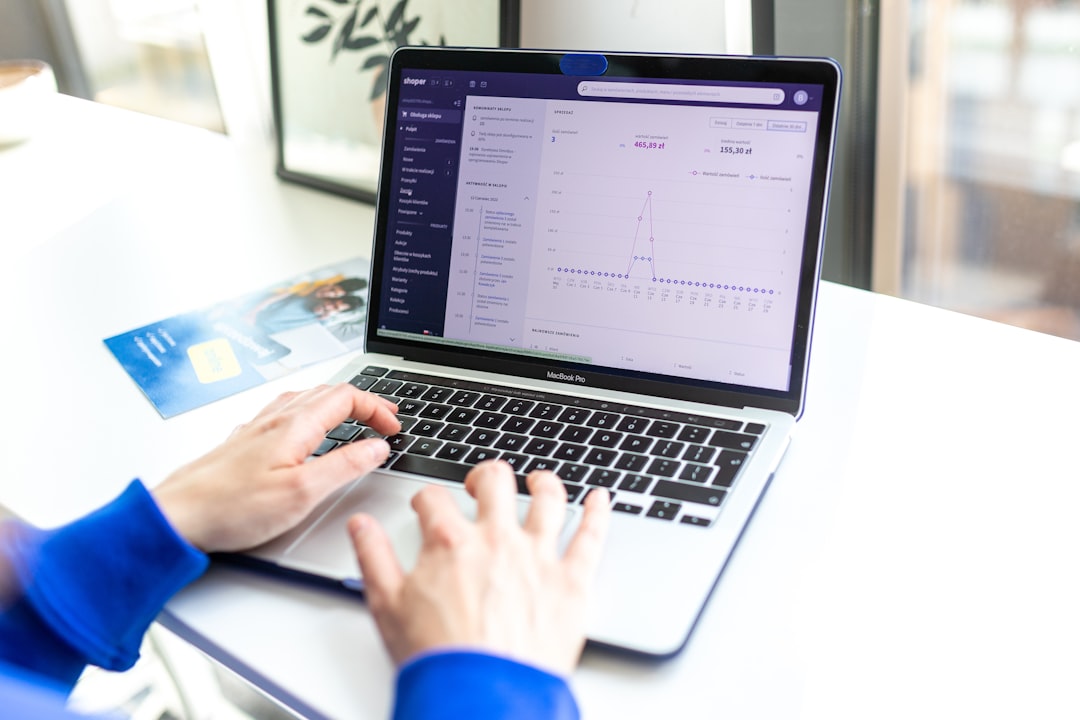
Price monitoring platforms automate the collection of competitor pricing data across multiple channels. These tools typically function through web scraping technologies, API integrations, and marketplace data connections. Once data is gathered, it is processed and displayed in user-friendly dashboards.
Core functionalities usually include:
- Automated price tracking: Scheduled checks to capture updated competitor prices.
- Dynamic pricing recommendations: Suggestions for adjusting prices based on rules or algorithms.
- Stock availability monitoring: Tracking whether competitors have products in or out of stock.
- Reporting and alerts: Notifications for significant price changes or market shifts.
- Historical price analysis: Insight into long-term trends and seasonal patterns.
Prisync, for example, allows businesses to define competitors and products to track. The software continuously scans these sources and compiles price data in centralized dashboards, providing clarity and real-time visibility into market positioning.
Advantages Over Manual Price Checking
Many small businesses initially rely on manual price tracking through spreadsheets. While this may work temporarily, several limitations quickly emerge:
- Human error in data entry
- Incomplete or outdated information
- Time-consuming daily maintenance
- Lack of scalability
Automated solutions eliminate these weaknesses. They operate consistently, without interruption, and process vast data volumes in minutes. This efficiency enables managers to focus on strategy rather than routine data collection.
Furthermore, automation ensures that pricing decisions are based on current market conditions rather than outdated assumptions. In fast-moving industries, delays in price adjustments can directly impact revenue and margins.
Dynamic Pricing and Strategic Flexibility
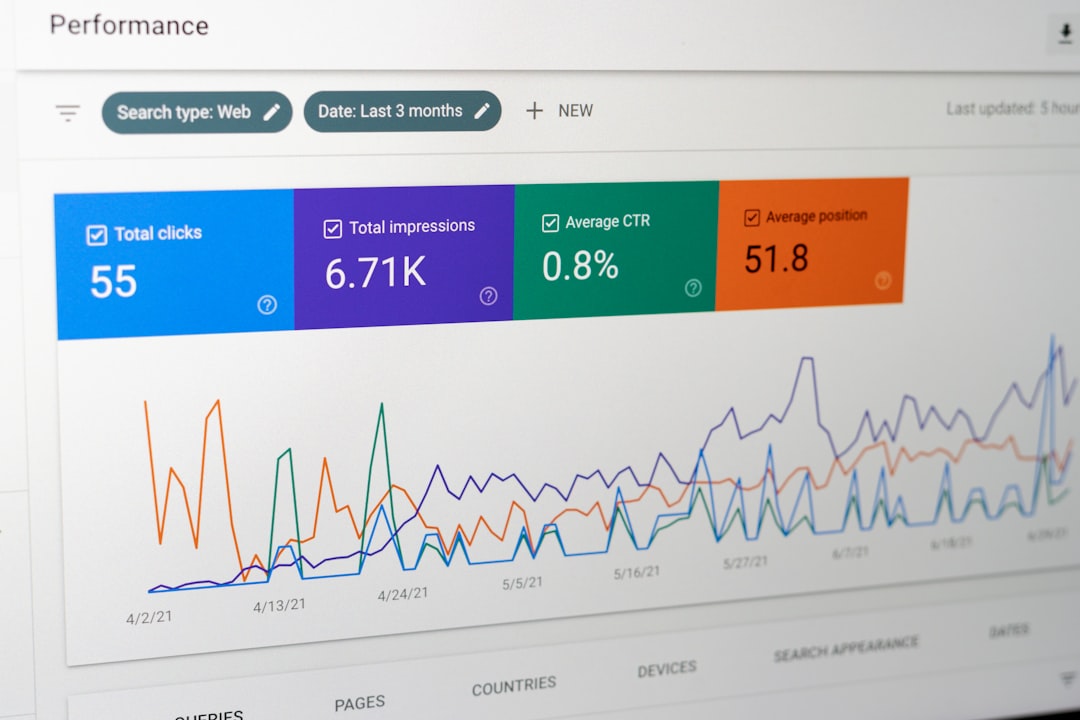
One of the most valuable capabilities of modern price monitoring tools is support for dynamic pricing. Instead of maintaining fixed prices, businesses can implement rule-based systems that automatically adjust pricing in response to competitor behavior.
For example, a retailer might set rules such as:
- Always price 2% below the main competitor
- Match the lowest market price when inventory exceeds a threshold
- Maintain a minimum profit margin regardless of competitor discounts
This flexibility allows companies to strike a strategic balance between competitiveness and profitability. Without automation, maintaining such strategies would require constant oversight and near-instant manual intervention.
Improving Profit Margins Through Data
Contrary to common belief, price monitoring tools are not solely about lowering prices. In many cases, they help businesses realize they can maintain or even increase prices without losing competitiveness.
For instance:
- If competitors are out of stock, higher prices may be sustainable.
- If products are consistently priced below market average, margins may be unnecessarily compressed.
- If seasonal demand spikes are predictable, strategic increases can boost revenue.
Data-driven visibility reveals when aggressive discounting is unnecessary. This insight prevents margin erosion and supports long-term financial stability.
Enhancing Market Transparency
Price monitoring software also enhances transparency across distribution networks. Manufacturers and brands can monitor how resellers price their products. This is particularly important for:
- Protecting brand value
- Maintaining Minimum Advertised Price policies
- Preventing price wars among distributors
Uncontrolled discounting can undermine perceived product value. Real-time visibility helps brands enforce compliance and maintain consistent market positioning.
Competitive Benchmarking and Strategic Planning
Beyond daily price adjustments, these tools support long-term strategic analysis. Historical data provides answers to critical business questions:
- How often do competitors run promotions?
- Which competitors lead pricing trends?
- How does price positioning correlate with seasonal events?
- Are competitors bundling products or changing SKU structures?
This intelligence informs broader decisions, from product launches to inventory planning and marketing campaigns. Rather than reacting instinctively, companies can prepare strategic responses grounded in evidence.

Integration with E-Commerce Ecosystems
Modern pricing tools are designed to integrate seamlessly with e-commerce platforms, enterprise resource planning systems, and marketplace accounts. This interconnectedness minimizes friction and reduces manual work.
Common integration capabilities include:
- Automatic synchronization with online store catalogs
- Direct price updates to marketplaces
- Inventory system connections
- API access for advanced customization
Such integrations transform price monitoring from a passive reporting tool into an active pricing engine within a company’s operational infrastructure.
Scalability for Growing Businesses
As companies expand their product catalogs or enter new markets, pricing complexity grows exponentially. Monitoring five products across two competitors is manageable; tracking 5,000 SKUs across 20 competitors is not.
Scalable monitoring platforms handle high data volumes without significant increases in labor. This capability is particularly important for:
- Multi-channel retailers
- International e-commerce operations
- Marketplace sellers with extensive catalogs
Growth should not be constrained by operational inefficiencies. Automated systems ensure that pricing intelligence scales alongside business expansion.
Risk Management and Market Volatility
Economic instability, supply chain disruptions, and fluctuating demand make pricing environments unpredictable. Rapid competitor adjustments can trigger price wars, inventory imbalances, or margin compression.
With real-time alerts and systematic data tracking, companies can respond thoughtfully rather than react defensively. Early detection of downward trends prevents overcorrection and reduces panic-driven pricing decisions.
In volatile markets, informed stability often outperforms aggressive reaction.
Choosing the Right Tool
While many price monitoring platforms exist, businesses must evaluate solutions carefully. Key criteria include:
- Data accuracy and update frequency
- Customization and rule flexibility
- User-friendly dashboards and reporting
- Integration capabilities
- Scalability and cost structure
Trial periods and pilot programs are advisable to assess reliability and performance. The goal is not merely to observe prices but to embed actionable intelligence into everyday decision-making.
Conclusion
Price monitoring tools like Prisync represent a fundamental shift in how businesses approach competitive analysis. In an environment defined by transparency and rapid change, automated price tracking is essential for maintaining market position and protecting profit margins.
By leveraging real-time insights, dynamic pricing rules, and detailed market analytics, companies gain the clarity needed to act with confidence. Whether used to outmaneuver competitors, safeguard brand value, or optimize margins, these tools transform raw data into strategic advantage. For serious e-commerce operators, investing in robust price monitoring technology is not merely an operational upgrade—it is a core component of sustainable growth.

