
Video games come in many shapes and styles. Some are fast and frantic. Others are calm and story-driven. One of the most loved game styles in the world is the JRPG. But what does that even mean? If you have seen this term online and felt confused, don’t worry. Let’s break it down in a fun and simple way.
TLDR: JRPG stands for Japanese Role-Playing Game. It is a style of RPG that started in Japan and focuses on story, characters, and turn-based combat. These games often feature anime-style art, emotional plots, and character growth. Famous examples include Final Fantasy, Dragon Quest, and Persona.
What Does JRPG Mean?
JRPG stands for Japanese Role-Playing Game.
It is a subgenre of RPGs. RPG means Role-Playing Game. In an RPG, you control a character (or team) and guide them through a story. You level up. You fight enemies. You grow stronger. You make choices.
A JRPG is an RPG that was originally developed in Japan. But it is more than just geography. Over time, JRPG became a style. Even games made outside Japan can feel like JRPGs if they follow the same design ideas.
What Makes a JRPG Different?
Not all RPGs are the same. JRPGs have specific traits that make them stand out.
- Strong Story Focus
- Pre-defined Characters
- Turn-Based or Strategic Combat
- Colorful Anime-Inspired Art
- Leveling and Stat Growth
- Emotional or Epic Themes
Let’s look at these more closely.
1. Big, Emotional Stories
JRPGs love storytelling. The plot is often epic. You might save the world. Fight gods. Travel through time. Or explore deep personal struggles.
Many JRPGs feel like playable anime series. They are dramatic. Sometimes funny. Sometimes heartbreaking.
You usually follow a main story with clear chapters. There are cutscenes. Dialogue. Twists.
2. Pre-Made Characters
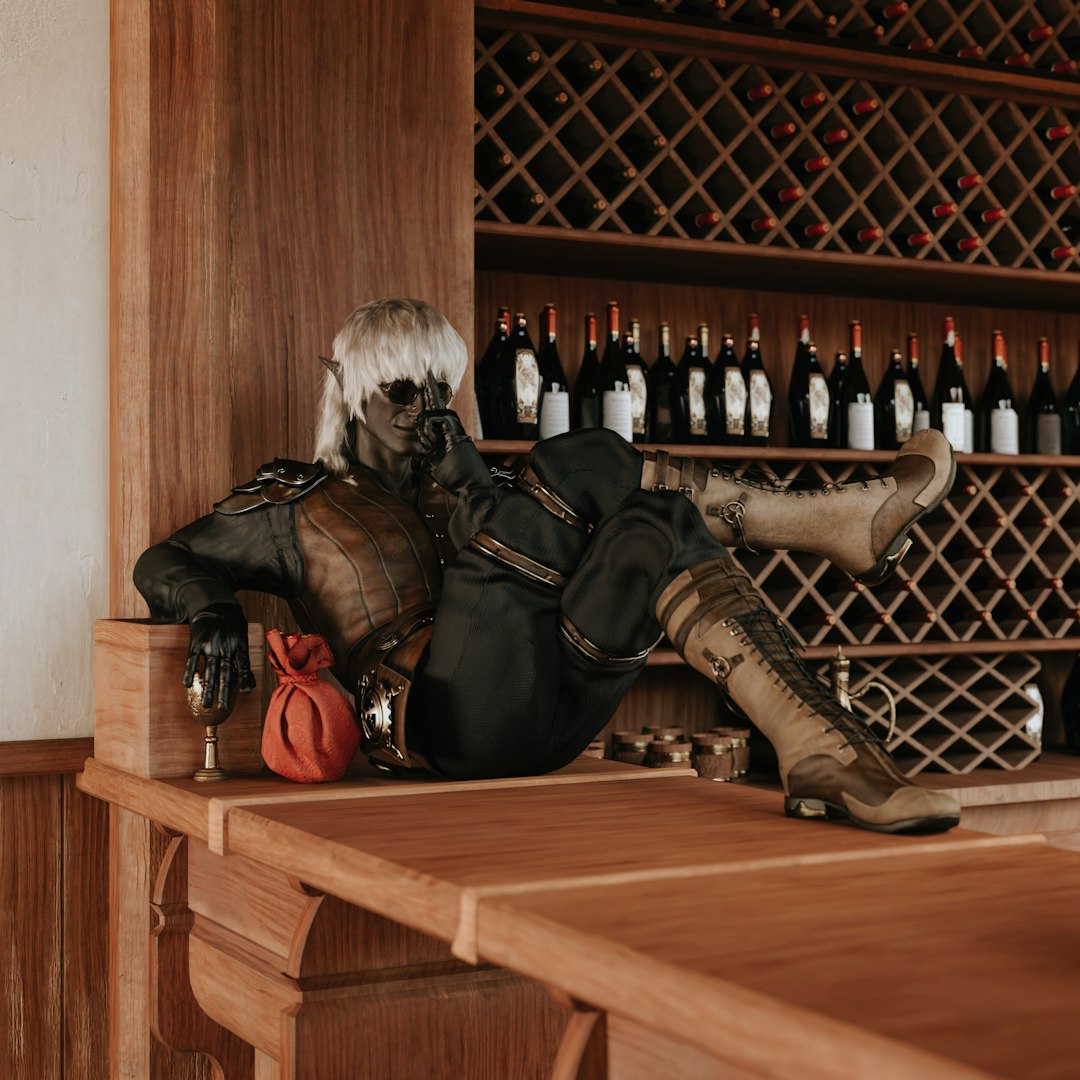
In many Western RPGs, you create your own character from scratch. You choose how they look. You choose their personality.
In JRPGs, the main character is often already designed. They have a name. A backstory. A personality.
For example, Cloud in Final Fantasy VII is not just “some guy.” He has history. Trauma. Relationships. You experience his story.
This makes JRPGs feel like interactive movies.
3. Turn-Based Combat
Classic JRPG combat is turn-based. That means:
- You choose an action.
- The enemy waits its turn.
- Then it attacks.
It feels a bit like chess. You think before acting.
Some modern JRPGs use action combat instead. But strategy is still important. You manage health. Magic. Skills. Team balance.
4. Leveling Up
Progression is key in JRPGs.
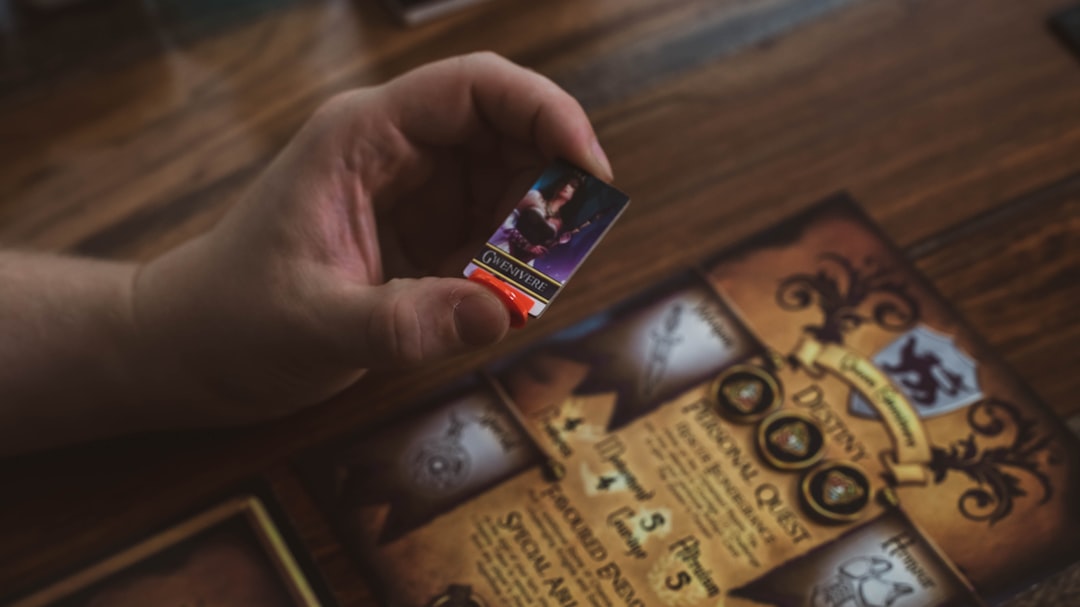
You defeat enemies. You gain experience points (XP). You level up. Your stats increase. You unlock new abilities.
This steady growth is satisfying. You feel stronger over time.
Some games also include:
- Skill trees
- Job systems
- Weapon upgrades
- Summons and special attacks
5. Distinct Art Style
JRPGs are known for bright visuals and anime-inspired designs.
Characters often have:
- Large expressive eyes
- Colorful hair
- Stylish outfits
Worlds can be magical, futuristic, medieval, or a mix of everything.
This unique style makes JRPGs easy to recognize.
Where Did JRPGs Come From?
JRPGs became popular in the 1980s and 1990s.
One of the earliest big titles was Dragon Quest. It released in Japan in 1986. It helped define the formula:
- Turn-based battles
- World maps
- Towns and dungeons
- Hero’s journey story
Then came Final Fantasy in 1987. It expanded the genre with deeper stories and emotional moments.
In the 1990s, JRPGs exploded in popularity worldwide. Games like:
- Final Fantasy VII
- Chrono Trigger
- Suikoden
- Pokémon
These games shaped childhoods. And the genre kept growing.
Famous Examples of JRPGs
Let’s look at some well-known JRPG franchises and what makes them special.
Final Fantasy
- Epic storytelling
- Memorable music
- Summons and dramatic battles
Each main game tells a new story. New world. New characters.
Dragon Quest
- Classic fantasy setting
- Simple but charming design
- Traditional turn-based combat
It’s often called the grandfather of JRPGs.
Persona
- Mix of high school life and dungeon crawling
- Turn-based combat
- Deep social systems
You build friendships while battling supernatural forces. Very stylish. Very cool.
Pokémon
- Collect creatures
- Turn-based battles
- Simple but addictive gameplay
Yes, Pokémon is a JRPG. You level up. You battle. You aim to become the best.
JRPG vs Western RPG
People often compare JRPGs with Western RPGs (WRPGs). Here are some general differences.
JRPGs:
- Fixed main characters
- Story-driven
- Anime-style visuals
- Often turn-based
Western RPGs:
- Create-your-own character
- More player choice in story
- Realistic art style
- Often real-time combat
Examples of Western RPGs include The Elder Scrolls, Mass Effect, and Dragon Age.
But remember. These differences are not strict rules. Many modern games mix elements from both styles.
Are All Japanese RPGs JRPGs?
Good question.
Not exactly.
The term JRPG is about design style, not just country. A Japanese-made RPG can feel more like a Western RPG. And a non-Japanese game can feel very JRPG-like.
For example:
- A French studio might create a game with turn-based combat and anime visuals. That could feel like a JRPG.
- A Japanese studio might create a dark, open-world action RPG that feels Western.
The line is blurry today.
Why Do People Love JRPGs?
There are many reasons.
1. Memorable Characters
Fans grow attached to the cast. They feel like friends.
2. Emotional Music
JRPG soundtracks are legendary. Sweeping orchestras. Soft piano themes. Battle music that pumps you up.
3. Long Adventures
Many JRPGs last 40 to 100 hours. You go on a journey. Not a quick ride.
4. Sense of Growth
You start weak. You end powerful. That transformation feels amazing.
Common JRPG Features
Here are some mechanics you often see:
- Party System – Control a team of heroes.
- Status Effects – Poison, sleep, paralysis.
- Elemental Magic – Fire beats ice. Lightning beats water.
- Boss Battles – Big, dramatic fights with unique music.
- Side Quests – Optional missions for extra rewards.
These systems create depth. But they are usually easy to learn.
Modern JRPGs
JRPGs are not stuck in the past.
Many modern titles mix action combat with classic systems. Graphics are now high-definition. Worlds are larger. Stories are fully voice acted.
Some recent popular JRPG-style games include:
- Persona 5 Royal
- Final Fantasy VII Remake
- Dragon Quest XI
- Tales of Arise
They respect tradition. But they also evolve.
Is a JRPG Right for You?
You might enjoy JRPGs if you:
- Love story-heavy games
- Enjoy character development
- Like strategic combat
- Appreciate anime art styles
- Want a long adventure
You might struggle if you:
- Prefer fast action at all times
- Dislike reading dialogue
- Want full control over character creation
But every game is different. There is a wide range within the genre.
Final Thoughts
A JRPG is more than just a game from Japan. It is a style. A feeling.
It is about going on a grand adventure. With a team of heroes. Facing impossible odds. Growing stronger together.
It mixes strategy. Story. Music. Art. Emotion.
So next time someone says “I love JRPGs,” you’ll know exactly what they mean.
And maybe. You’ll want to start one yourself.

