

Agentic AI is quickly moving from experimental demos to everyday business operations. Unlike traditional AI that waits for a prompt and produces a single answer, agentic AI can plan, take actions, use tools, and adapt to changing goals. For modern businesses, this means AI systems that do more than analyze data: they can coordinate workflows, trigger processes, follow up with people, and improve outcomes over time.
TLDR: Agentic AI helps businesses automate complex work by giving AI systems the ability to make decisions, use software tools, and complete multi-step tasks. Its most valuable applications include customer service, sales, cybersecurity, operations, finance, HR, and product development. The key benefit is not just speed, but autonomous execution across business processes. Companies that adopt it thoughtfully can reduce costs, improve responsiveness, and free employees for higher-value work.
1. Autonomous Customer Support
Customer support is one of the clearest and most practical applications of agentic AI. Instead of simply answering frequently asked questions, an AI agent can interpret a customer’s issue, check order history, access policy documents, process refunds, create support tickets, and escalate complex cases to a human representative.
For example, if a customer says, “My package arrived damaged and I need a replacement,” an agentic AI system can verify the purchase, review warranty rules, generate a return label, arrange a replacement shipment, and send a confirmation email. This turns support from a question-and-answer interaction into an end-to-end resolution process.
The result is faster response times, fewer repetitive tasks for support teams, and a better customer experience. Human agents can focus on sensitive, high-value, or emotionally complex conversations while AI handles routine cases efficiently.
2. Sales Prospecting and Lead Management
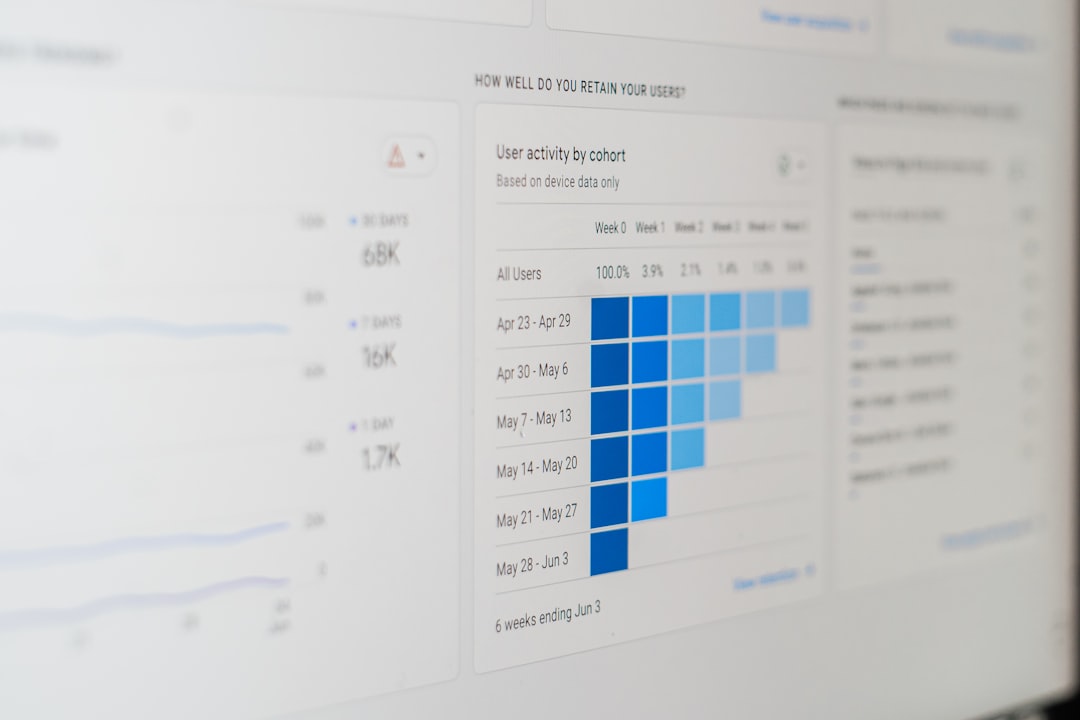
Sales teams often spend a large portion of their time researching prospects, updating CRM records, writing outreach emails, and following up with leads. Agentic AI can automate much of this behind-the-scenes work while keeping salespeople in control of relationship-building.
An AI sales agent can identify promising leads, enrich contact profiles, analyze company news, personalize outreach messages, and schedule follow-ups. It can also monitor engagement signals, such as email opens, website visits, or content downloads, then recommend the next best action.
What makes this different from standard automation is the agent’s ability to adjust its approach. If a prospect does not respond to a first email, the AI can select a different message, reference a new business event, or suggest a phone call instead. This creates a more responsive sales process without requiring constant manual intervention.
3. Cybersecurity Monitoring and Response
Cybersecurity teams face overwhelming volumes of alerts, many of which are false positives or low-risk events. Agentic AI can help by continuously monitoring systems, prioritizing threats, investigating suspicious activity, and even taking approved containment actions.
For instance, if an AI agent detects unusual login behavior, it can examine the user’s location, device, access history, and recent actions. If the risk appears high, it may temporarily suspend access, notify the security team, open an incident ticket, and collect relevant logs for investigation.
This kind of proactive defense is especially valuable because cyberattacks move quickly. Agentic AI can reduce the time between detection and response, helping businesses limit damage before a human analyst has even reviewed the alert.
4. Supply Chain and Inventory Optimization
Supply chains are full of moving parts: suppliers, warehouses, production schedules, shipping routes, demand forecasts, and unexpected disruptions. Agentic AI can coordinate these variables in real time and recommend or execute actions that keep operations running smoothly.
A retail business, for example, might use agentic AI to monitor inventory levels across locations, predict demand spikes, reorder products automatically, and reroute stock from one warehouse to another. If a supplier delay occurs, the AI can search for alternatives, estimate cost impacts, and notify procurement managers.
This is particularly useful in industries where timing matters, such as manufacturing, grocery, healthcare, and ecommerce. By making supply chains more adaptive, businesses can reduce stockouts, avoid overstocking, and respond more intelligently to disruptions.

5. Financial Operations and Intelligent Reporting
Finance departments manage a steady stream of invoices, expense reports, reconciliations, forecasts, and compliance requirements. Agentic AI can assist by reviewing transactions, matching invoices to purchase orders, flagging anomalies, and preparing reports for finance leaders.
Consider monthly closing tasks. An AI finance agent can gather data from accounting systems, identify missing entries, reconcile accounts, and create a draft summary of financial performance. It can also detect patterns that may indicate fraud, duplicate payments, or unusual vendor activity.
Beyond efficiency, agentic AI can improve financial visibility. Instead of waiting for static reports, business leaders can ask a question such as, “Why did operating costs increase last month?” and the AI can investigate across datasets, summarize likely causes, and suggest follow-up actions.
6. Human Resources and Employee Experience
Human resources teams handle many recurring processes, including onboarding, benefits questions, policy updates, performance review coordination, and employee feedback. Agentic AI can support these tasks while creating a more personalized employee experience.
During onboarding, for example, an AI agent can guide a new hire through paperwork, schedule training sessions, answer company policy questions, introduce relevant team members, and remind managers about key milestones. This ensures that employees receive consistent support without overloading HR staff.
Agentic AI can also help with internal knowledge management. Employees can ask questions about vacation policies, software access, or career development programs, and the AI can retrieve accurate answers or initiate the right workflow. When used responsibly, it can make HR more accessible and responsive.
7. Product Development and Market Research
Modern product teams need to understand customers, track competitors, analyze feedback, prioritize features, and test ideas quickly. Agentic AI can act as a research and coordination partner throughout the product development cycle.
An AI product agent can collect customer reviews, summarize support tickets, identify recurring complaints, compare competitor offerings, and recommend product improvements. It can also create draft user stories, organize experiment results, and help product managers prepare roadmap discussions.
For software companies, agentic AI may also assist engineering teams by generating test cases, reviewing bug reports, monitoring deployment metrics, and suggesting documentation updates. The goal is not to replace product judgment, but to accelerate the discovery of useful insights and reduce administrative friction.
What Businesses Should Consider Before Adoption
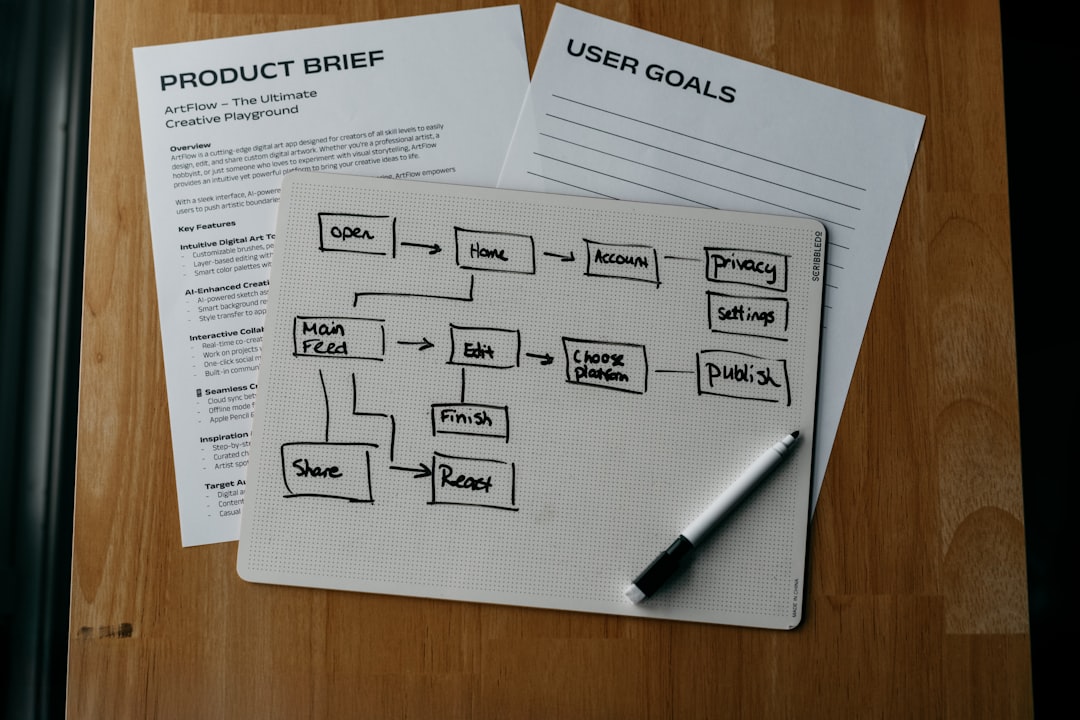
While agentic AI offers powerful benefits, it should not be deployed without guardrails. Businesses need to define what the AI is allowed to do, what requires human approval, and how decisions will be audited. This is especially important in areas involving money, customer trust, legal compliance, or sensitive employee information.
Good implementation usually starts with a focused workflow rather than a company-wide transformation. A business might begin with customer support refunds, sales follow-ups, or invoice matching, then expand once performance and risk controls are proven.
- Start with measurable goals: Choose a process where speed, accuracy, or cost savings can be clearly tracked.
- Keep humans in the loop: Require approval for high-risk decisions or unusual cases.
- Connect clean data sources: Agentic AI is only as useful as the systems and information it can access.
- Monitor continuously: Review outcomes, errors, user feedback, and unintended behavior.
The Competitive Advantage of Agentic AI
The real promise of agentic AI is not simply automation; it is business responsiveness. Companies can serve customers faster, detect problems earlier, make decisions with better context, and reduce the manual effort spent on repetitive coordination.
As the technology matures, agentic AI will likely become a standard layer across business software. The organizations that benefit most will be those that pair automation with thoughtful strategy, clear governance, and strong human oversight. In that balance, agentic AI becomes more than a productivity tool: it becomes a practical engine for modern business growth.

