
Financial management has evolved far beyond spreadsheets and manual reconciliations. Modern organizations—whether startups, mid-sized companies, or enterprise operations—now rely on intelligent online finance platforms to automate invoicing, improve forecasting accuracy, and deliver real-time reporting. The right solution not only saves time but also reduces risk, strengthens compliance, and enables better strategic decisions.
TLDR: Businesses can significantly improve efficiency and financial visibility by using online platforms that automate invoicing, forecasting, and reporting. QuickBooks Online, Xero, and NetSuite stand out for their robust automation, integrations, and scalability. Each platform serves slightly different business needs, from small companies to large enterprises. Choosing the right system depends on company size, complexity, and long-term growth plans.
Why Automation in Finance Matters
Manual financial workflows introduce delays, errors, and unnecessary administrative costs. Automation eliminates repetitive data entry, reduces discrepancies, and ensures faster access to reliable financial insights. More importantly, integrated platforms now combine billing, forecasting, and reporting into unified systems, providing leadership with a comprehensive view of performance.
Organizations that adopt automated finance tools typically gain:
- Reduced processing time for invoicing and payment collection
- More accurate cash flow forecasting through real-time data updates
- Compliance-ready reporting with audit trails and standardized documentation
- Improved collaboration between finance teams and executives
Below are three trusted platforms that consistently deliver these capabilities.
1. QuickBooks Online
QuickBooks Online remains one of the most widely adopted cloud accounting platforms globally. Its strength lies in its balance: it is accessible for small businesses yet powerful enough to scale with growing operations.

Automated Invoicing
QuickBooks enables users to:
- Create and send recurring invoices automatically
- Schedule payment reminders
- Accept online payments through integrated gateways
- Track invoice status in real time
This automation reduces days sales outstanding (DSO) by accelerating payment cycles. Businesses can also customize invoice templates to maintain consistent branding.
Forecasting Capabilities
The platform offers built-in cash flow forecasting tools that use historical transaction data to predict future liquidity. While not as complex as enterprise-grade forecasting systems, it provides sufficient insights for most small to mid-sized companies.
Reporting Strength
QuickBooks includes over 80 built-in reports, including:
- Profit and Loss statements
- Balance Sheets
- Cash Flow statements
- Accounts receivable aging reports
Reports are customizable and exportable, making the system practical for both internal management and external accountants.
Best suited for: Small to medium-sized businesses seeking comprehensive financial automation without enterprise-level complexity.
2. Xero
Xero has built a strong reputation for user-friendly design combined with powerful automation features. Known for its clean interface and strong integration ecosystem, Xero is particularly appealing to growing businesses that require agile financial control.
Automated Invoicing
Xero enables flexible invoicing workflows, including:
- Recurring and batch invoicing
- Automatic payment reminders
- Multi-currency invoicing
- Integration with over 1,000 third-party apps
This makes it especially valuable for companies operating internationally or across multiple revenue streams.
Smart Forecasting Tools
Xero integrates short-term cash flow forecasting directly into its dashboard. Businesses can model different scenarios and monitor projected bank balances within a 7- or 30-day period. Advanced forecasting is further enhanced via integrations with specialized planning applications.

Comprehensive Reporting
Xero’s reporting module offers strong visual clarity and customization. Key reports include:
- Executive summary reports
- Budget variance analysis
- Tax reports
- Financial performance snapshots
The ability to publish aesthetically clean, board-ready reports adds significant value for companies presenting to stakeholders or investors.
Best suited for: Small to mid-sized businesses that prioritize usability, cloud integration, and clean financial visualization.
3. NetSuite (Oracle NetSuite)
NetSuite represents a more advanced, enterprise-grade financial management system. Unlike smaller accounting tools, it is a full ERP platform that integrates finance with inventory, CRM, procurement, and operations.
Enterprise-Level Invoicing Automation
NetSuite’s billing system supports:
- Subscription-based billing models
- Revenue recognition automation
- Complex contract invoicing
- Multi-entity and multi-location accounting
For companies with intricate billing structures—such as SaaS providers or global distributors—this level of automation is essential.
Advanced Forecasting and Planning
NetSuite’s financial planning and analysis capabilities allow organizations to build sophisticated forecasting models. Businesses can:
- Create multi-scenario forecasts
- Analyze departmental budgets
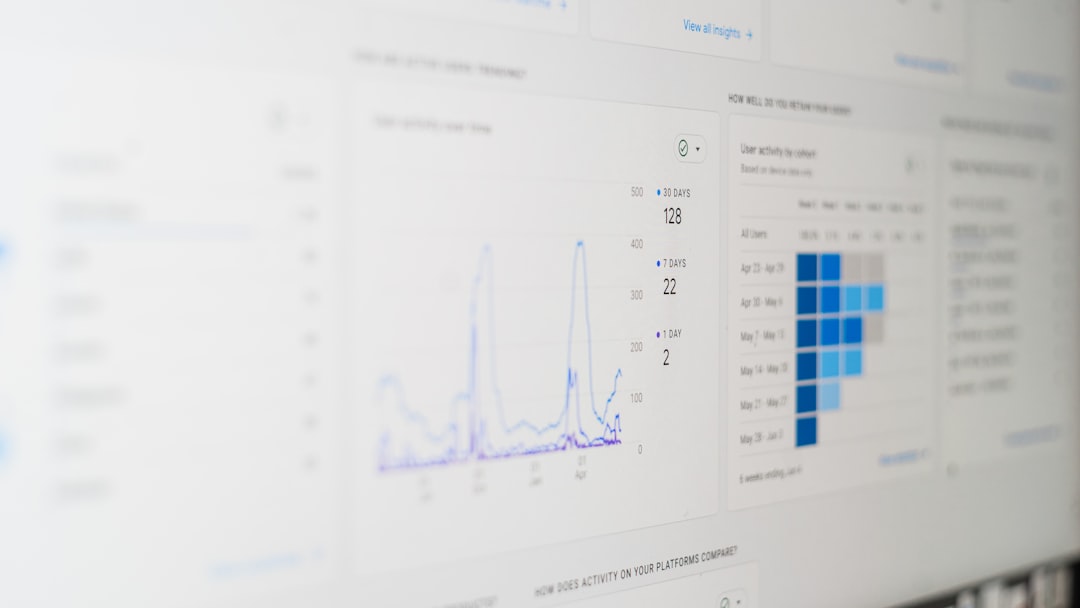
- Utilize real-time performance dashboards
- Incorporate predictive analytics
This transforms forecasting from a reactive process into a strategic planning function.
Robust Reporting and Compliance
NetSuite is particularly strong in regulatory compliance and consolidated reporting. It supports:
- Global financial consolidation
- GAAP and IFRS compliance
- Automated audit trails
- Custom KPI dashboards
Executives gain access to granular, real-time analytics across departments and regions.
Best suited for: Mid-sized to large enterprises with complex operations and global reporting requirements.
Platform Comparison Chart
| Feature | QuickBooks Online | Xero | NetSuite |
|---|---|---|---|
| Target Business Size | Small to mid-sized | Small to mid-sized | Mid-sized to enterprise |
| Automated Invoicing | Recurring, reminders, payment tracking | Recurring, multi-currency, extensive integrations | Subscription billing, revenue recognition, multi-entity |
| Forecasting | Basic cash flow forecasting | Short-term cash projections | Advanced multi-scenario forecasting |
| Reporting | 80+ standard reports | Customizable visual reports | Global consolidation and compliance reporting |
| Scalability | Moderate | Moderate | High |
| Complexity Level | Low to moderate | Low to moderate | High |
Key Considerations When Choosing a Platform
Selecting the right finance platform requires careful assessment of both current needs and long-term growth plans. Consider the following factors:
- Business complexity: Companies with simple billing processes may not require enterprise ERP features.
- Growth trajectory: Rapidly scaling businesses should prioritize scalable solutions.
- Integration requirements: Evaluate compatibility with payroll, CRM, payment processors, and inventory systems.
- Compliance obligations: Global businesses must ensure multi-currency and international reporting capabilities.
- User adoption: A powerful tool is only effective if teams can confidently use it.
It is also advisable to evaluate vendor support, data security standards, and implementation timelines before committing to a platform.
Final Thoughts
Automation in invoicing, forecasting, and reporting is no longer optional—it is foundational to modern financial management. QuickBooks Online offers accessibility and reliability for growing businesses. Xero provides streamlined usability with strong integration potential. NetSuite delivers enterprise-grade sophistication and strategic financial control.
Each of these platforms has earned its reputation through consistent performance, regulatory alignment, and scalable functionality. The appropriate choice ultimately depends on operational complexity and the strategic priorities of the organization. By investing in the right automated finance platform, businesses position themselves for stronger cash flow management, improved decision-making, and sustainable long-term growth.

